
When language is vague, conversations break down. When definitions are unclear, accountability disappears.
In my time reporting on conservation issues, I have learned that language is not neutral. The words used in conservation shape policy, perception, and outcomes for wildlife. They influence how ecosystems are measured, how risks are assessed, and how decisions are justified. Yet, many of these terms are used inconsistently, loosely, or incorrectly — sometimes unintentionally, sometimes strategically.
This glossary exists to clarify what conservation and biological terms actually mean, as they are used in science, management, and policy. It explains why those meanings matter, and how they affect real-world decisions about land, water, and wildlife.
The goal is to make the language of conservation more transparent and usable. Whether you are participating in public comment, reading your local wildlife management plan, reporting on conservation issues, or simply trying to understand what you are hearing, shared definitions are essential.
This is a living glossary that will grow as my own understanding grows. Terms will evolve as science improves and practices change. Entries may expand, refine, or be corrected over time, because conservation itself is dynamic, and the language describing it should be honest about that.
This glossary is one small tool toward clearer thinking, better questions, and more grounded conversations about the living world.
Adaptive Management
A structured process of "learning by doing." It involves treating conservation actions as experiments, where outcomes are monitored and the management plan is updated based on what is learned. There is a technical debate regarding what qualifies as "true" adaptive management. Some scientists argue it requires rigorous, statistically sound experimental design, while others use the term more broadly for any plan that is periodically reviewed.
Assisted Migration (or Assisted Colonization)
The intentional movement of species to new areas outside their historical range to protect them from threats like climate change. This method is controversial. Ecological purists argue it risks introducing invasive species that could disrupt new ecosystems. Pragmatists argue it is a necessary last resort to prevent extinction when species cannot move fast enough to escape warming climates.
At-Risk Species (Species of Concern)
A general term for species that are experiencing declines, face emerging threats, or show warning signs but may not yet meet the criteria for official listing as threatened or endangered. Agencies and organizations use “species of concern” lists to prioritize monitoring and proactive conservation.
Baseline Data
Information collected at the beginning of a study or project that describes the starting conditions. It is the reference point against which all future change is measured. Scientists have flagged the "Shifting Baseline" phenomenon, or the difficulty of determining what a "natural" baseline should be. If the baseline is set using data from an already degraded environment, the conservation goals may be set too low.
Biocultural Conservation
An approach that recognizes the inextricable link between biological diversity and cultural diversity. It manages ecosystems by honoring the traditional knowledge, languages, and management practices of local and Indigenous communities. This marks a shift away from "fortress conservation" (which excludes humans) toward a more inclusive, rights-based model.
Biodiversity
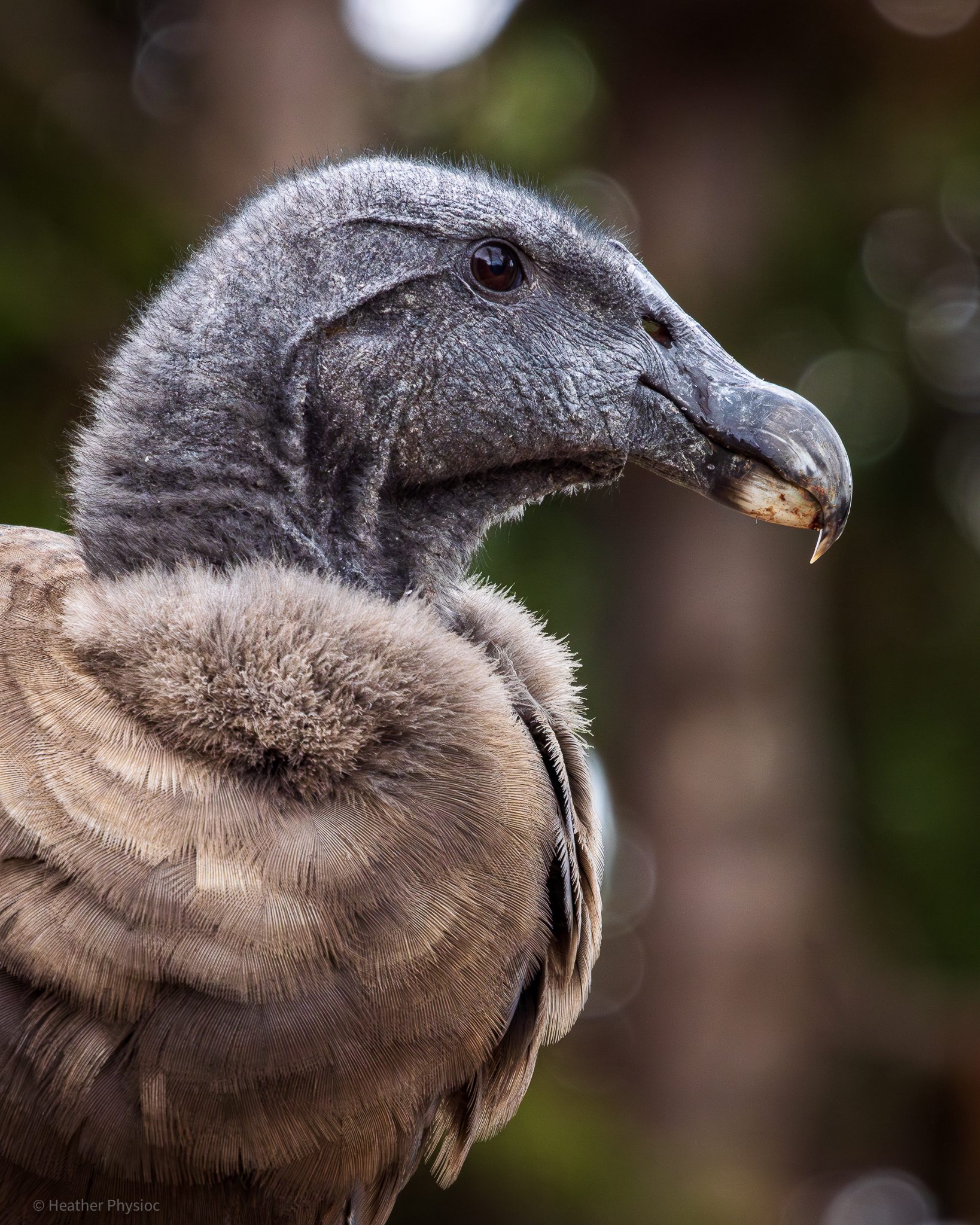
The variety and quantity of all life forms on Earth, including the different species of plants, animals, and microorganisms, the genes they contain, and the ecosystems they form. Some measures of biodiversity focus on the total number of species (richness), while others prioritize evenness (how many individuals of each species exist).
Biodiversity Hotspot
A biogeographic region that is both a significant reservoir of biodiversity and is under high threat from destruction. Under the widely used Conservation International definition of "biodiversity hotspot," a region qualifies if it has lost at least 70% of its original habitat and contains at least 1,500 endemic vascular plants.
Carbon Footprint
The total amount of greenhouse gases emitted directly and indirectly by an individual, organization, product, or activity, usually expressed in terms of carbon dioxide equivalent. It is often used as a simple indicator of climate impact.
Carbon Offset (Carbon Credit)
A carbon offset is a reduction or removal of greenhouse gas emissions in one place that is used to attempt to compensate for emissions occurring elsewhere. Carbon credits represent units of these reductions that can be bought, sold, or traded in voluntary or regulated markets.
Carbon Sequestration
A carbon offset is a reduction or removal of greenhouse gas emissions in one place that is used to attempt to compensate for emissions occurring elsewhere. Carbon credits represent units of these reductions that can be bought, sold, or traded in voluntary or regulated markets.
Carrying Capacity
The maximum population size of a species that a specific environment can sustain indefinitely, given the food, habitat, water, and other available resources. The term is debated because carrying capacity is rarely a fixed number. It fluctuates based on seasonal variations and interactions with other species, leading some ecologists to argue it is a theoretical concept rather than a precise measurement.
Climate Change
A long-term shift in average weather patterns, including temperature and precipitation, over decades or longer. Climate change can be driven by natural processes and by human activities that alter the composition of the atmosphere.
Conversation Status
An assessment of how likely a species is to remain extant in the near and long term, based on factors like population size, trends, and threats. Systems such as the IUCN Red List or national endangered species lists categorize species from “least concern” to various levels of threat.
Conservation Easement
A voluntary, legally binding agreement that limits certain types of development or land use on a property to protect its conservation values. The land remains in private ownership, while the easement is typically held and enforced by a land trust or government agency.
Conservation Trade-Offs
The reality that a choice to protect one species, habitat, or ecosystem function often results in a reduced ability to protect another. While the term itself is neutral, the definition of what constitutes a "fair" or "successful" trade-off is entirely dependent on the specific conservation goals being prioritized.
Cumulative Impact
The total, combined effect of multiple activities or stressors on an environment over a period of time. It accounts for the fact that many small impacts can add up to a significant change. Professionals may use different methodologies to calculate these impacts, as the interaction between different stressors can be "synergistic" (the total impact is greater than the sum of its parts).
Citizen Science
The collection and analysis of data relating to the natural world by members of the general public, typically as part of a collaborative project with professional scientists.
Deforestation
The reduction or complete removal of the natural environment that a species needs to survive, such as forests, wetlands, or grasslands. Habitat loss can result from activities like development, agriculture, resource extraction, or infrastructure and is one of the leading drivers of biodiversity decline.
Ecological Corridors (Wildlife Corridors)
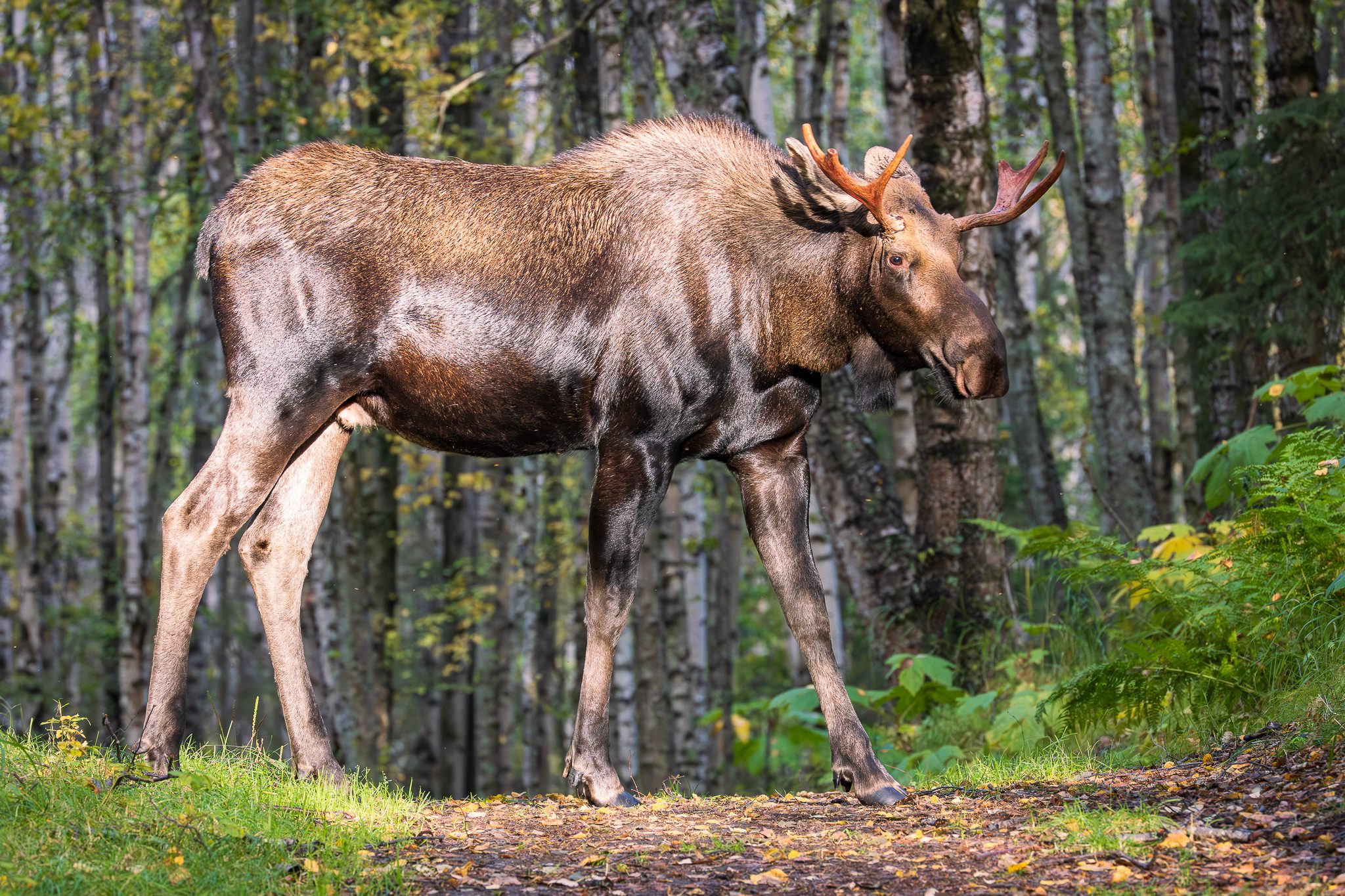
Functional links between fragmented patches of habitat that allow for the movement of individuals and the exchange of genes between populations.
Ecological Integrity
The ability of an ecosystem to support and maintain a community of organisms that has a species composition, diversity, and functional organization comparable to those of natural habitats within the region.
Ecological Restoration
The process of assisting the recovery of an ecosystem that has been damaged, degraded, or destroyed, aiming to reestablish its structure, function, and biodiversity. Restoration projects can range from replanting native vegetation to re-creating natural water flows or reintroducing key species.
Ecosystem Services
The direct and indirect contributions of ecosystems to human well-being, such as water filtration, crop pollination, and carbon storage. Critics of the term argue it is an "anthropocentric" (human-centered) definition that ignores the intrinsic value of nature independent of its utility to people.
Edge Effects
Changes in population or community structures that occur at the boundary between two habitats, often increasing light, wind, predation, and invasive species near edges. Edge effects can be either positive or negative.
Endangered Species
A species that faces a very high risk of extinction in the near future throughout all or a significant portion of its range. In the United States, “endangered” is a legal category under the Endangered Species Act, which triggers specific protections.
Endemic Species
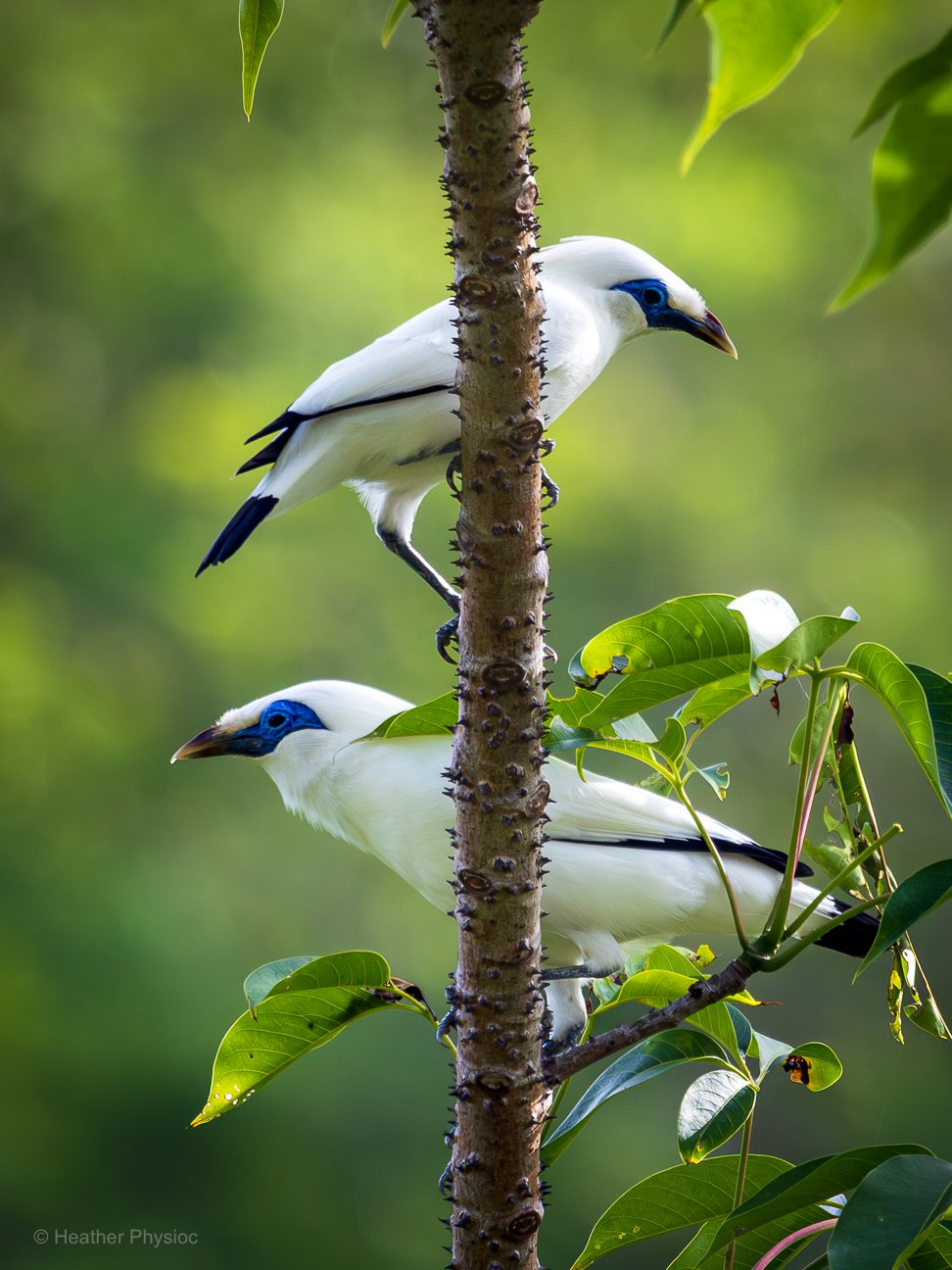
Plants or animals that exist only in one particular geographic region (such as an island, nation, or other defined zone) and nowhere else on Earth.
Ex-Situ Conservation
Conserving a species outside its natural habitat (e.g., zoos, seed banks)
Extirpation
The local extinction of a species. This occurs when a species ceases to exist in a specific geographic area but still exists elsewhere in the world. This is not to be confused with "global extinction." While extirpation is reversible through reintroduction, global extinction is permanent.
Flagship Species
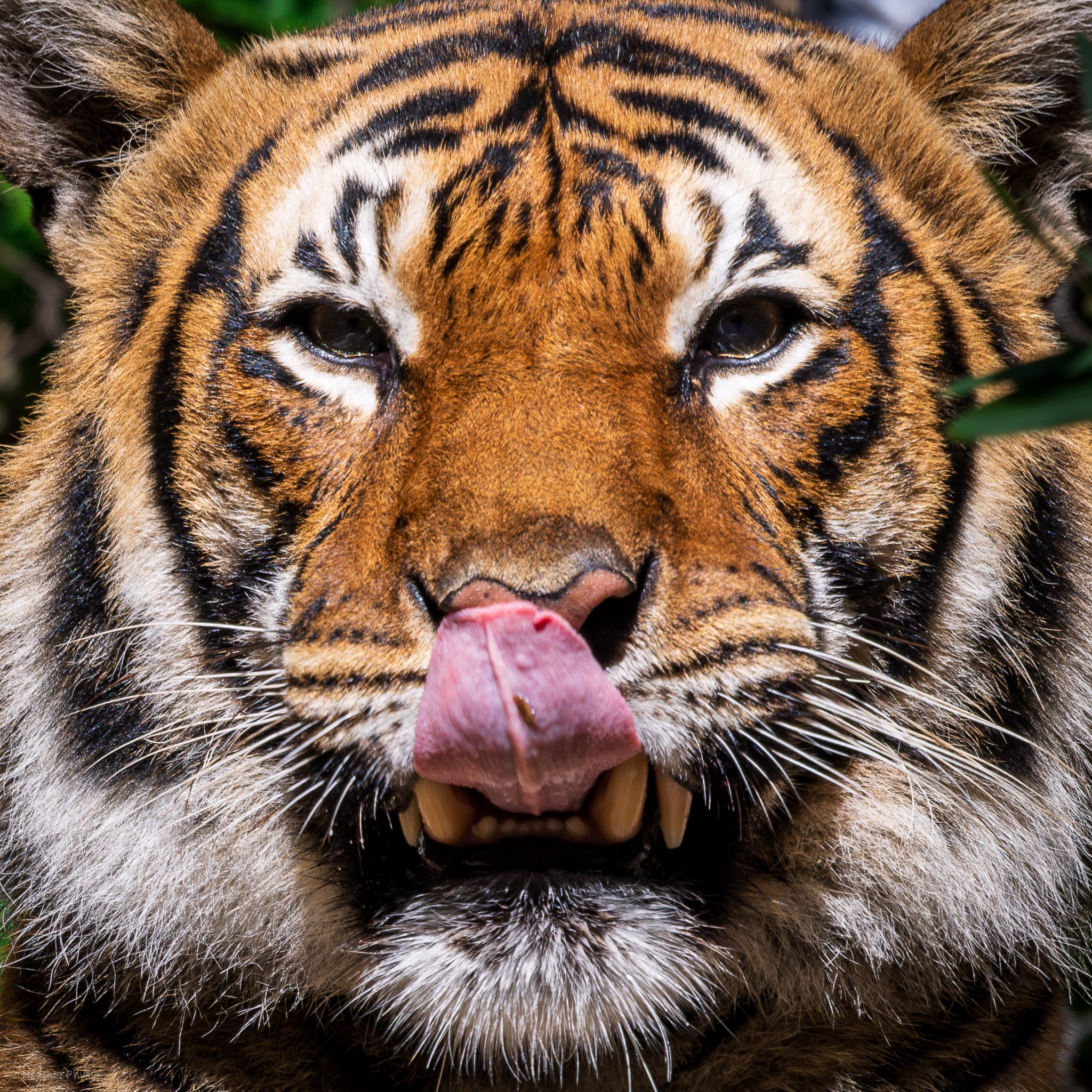
A species chosen to represent an environmental cause, such as an ecosystem in need of conservation. These are typically "charismatic megafauna," like pandas or tigers, used to build public support and funding. Some critics argue this diverts too much money toward "cute" animals while neglecting ecologically vital but "unattractive" species like insects or fungi.
Full Life-Cycle Conservation
An approach that addresses the needs of a species across its entire life and migratory range. This is especially critical for migratory birds or marine life that may breed in one country but winter in another.
Functional Extinction
A state where a species’ population has declined so much that it no longer plays its traditional role in the ecosystem or is no longer large enough to be self‑sustaining. A species may be functionally extinct in one role (for example, as a major predator) but still active in others, and some authors reserve the term for cases where it no longer affects ecosystem processes or has too few individuals to ensure long‑term persistence.
Genetic Bottleneck
A sharp reduction in the size of a population due to environmental events or human activities, which reduces the genetic diversity of the survivors. This leaves the remaining population more vulnerable to disease and climate change.
Global Warming
The observed increase in Earth’s average surface temperature over time. In modern usage, global warming most often refers to the warming trend primarily caused by human emissions of greenhouse gases.
Greenhouse Gases
Gases in the atmosphere that trap heat and keep the planet warmer than it would be otherwise. Major greenhouse gases include carbon dioxide, methane, nitrous oxide, and water vapor, many of which are increasing due to human activities.
Habitat Fragmentation
The process by which large, continuous habitats are divided into smaller, isolated patches, typically by human infrastructure or land use. There is scientific discussion regarding SLOSS ("Single Large Or Several Small") regarding whether one large patch of habitat is always superior to several smaller patches of equal total area.
Habitat Loss
The reduction or complete removal of the natural environment that a species needs to survive, such as forests, wetlands, or grasslands. Habitat loss can result from activities like development, agriculture, resource extraction, or infrastructure and is one of the leading drivers of biodiversity decline.
Habitat Restoration
The process of assisting the recovery of an ecosystem that has been degraded, damaged, or destroyed. The goal is to return the environment to a "reference state" of historical health.
In-Situ Conservation
Conserving a species in its natural habitat (e.g., a national park within its native territory)
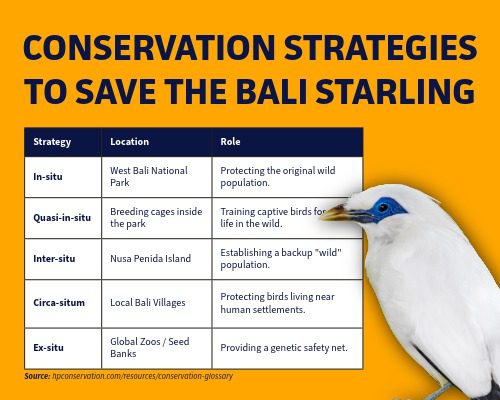
A range of solutions from In-Situ Conservation to Ex-Situ Conservation
What's the difference between in-situ and ex-situ conservation?
- In-situ Conservation: Protecting a species within its natural habitat and ecosystem.
- Quasi-in-situ Conservation: Managing a species strictly within a natural environment, typically involving high levels of human intervention to ensure survival.
- Inter-situ Conservation: Establishing a species in a semi-natural location, such as an arboretum or managed forest, that is within its native range.
- Circa-situm Conservation: Maintaining a species within human-modified environments, such as traditional farmland or home gardens, located near its natural range.
- Ex-situ Conservation: Protecting a species entirely outside of its natural habitat, such as in a zoo, botanical garden, or seed bank.
For example, the Bali starling.
The Bali Starling (Leucopsar rothschildi) is a textbook example of a species that exists across the entire spectrum of conservation. Because it was once down to only six individuals in the wild, scientists couldn't rely on just one method.
Indicator Species
An organism whose presence, absence, or health serves as a proxy for the overall condition of its ecosystem.
Invasive Species
A non-native species that establishes, spreads, and causes or is likely to cause ecological, economic, or social harm. Not all introduced species become invasive; the term is reserved for those that have significant negative impacts.
Keystone Species
A species that has a disproportionately large effect on its natural environment relative to its abundance. If a keystone species is removed, the entire ecosystem often undergoes dramatic changes or collapses.
Landscape-Scale Conservation
An approach to conservation that focuses on large, interconnected geographical areas, often encompassing different ecosystems and land uses, rather than focusing on a single isolated park or reserve. The definition of what constitutes a "landscape" varies; it can be defined by biological boundaries (like a watershed) or human boundaries, which complicates standardized measurement.
Metapopulation
A group of spatially separated populations of the same species that interact through the movement of individuals between them.
Mitigation Hierarchy
A hierarchy used to address environmental impacts: (1) avoid, (2) minimize, (3) compensate (offset) for remaining damage. It is widely used in environmental impact assessment and biodiversity offset policies, though many ecologists argue that created or restored habitats rarely achieve the same biological complexity as the original habitats they replace.
No Net Loss
A goal in which the environmental damages of a project are balanced by gains elsewhere so that the total amount of a specific natural resource remains the same. The concept is commonly built into biodiversity offset schemes and regulatory frameworks, but there is debate over whether ‘loss’ should be measured by simple area or by harder‑to‑quantify functional value.
Overfishing
The removal of fish from a population at a rate faster than the population can replace through natural reproduction. Overfishing can lead to population collapse, disrupt food webs, and harm fishing communities that depend on those stocks.
Payment for Ecosystem Services (PES)
A system where those who provide ecosystem services (such as clean water, carbon sequestration, or flood control) are compensated by those who benefit from them. PES has been widely adopted as a market‑based conservation tool in many countries, and while proponents highlight its ability to fund conservation and support local livelihoods, critics argue that it commodifies nature and can create social and ecological trade‑offs.
Pollution
The introduction of substances or energy into the environment at levels that cause harm to ecosystems or human health. Air pollution and water pollution commonly involve contaminants such as chemicals, excess nutrients, particulates, or plastics.
Population Viability Analysis (PVA)
A mathematical modeling tool used to estimate the probability that a population will persist for a certain number of years. Because PVAs require massive amounts of high-quality data, scientists label their results as "risk assessments" rather than certain predictions. Small errors in the input data can lead to wildly different outcomes.
Precautionary Principle
The guideline that when an activity poses a threat of serious or irreversible harm to the environment, a lack of full scientific certainty should not be used as a reason to postpone preventative action. There is debate over the definition of "serious harm" and how much uncertainty is required before the principle should be triggered.
Protected Area (Park, Refuge, Reserve)
A clearly defined geographic space that is managed to achieve the long-term conservation of nature and associated ecosystem services and cultural values. Examples include national parks, wildlife refuges, nature reserves, and marine protected areas.
Refugia (Climate Refugia)
Areas that remain relatively unaffected by climate change while the surrounding regions change significantly, allowing species to survive there over time. Scientists debate whether these areas are permanent "safe havens" or merely temporary "slow lanes" that will eventually succumb to the same pressures as the surrounding land.
Renewable Energy (Solar, Wind, etc.)
Energy derived from sources that are naturally replenished on human time scales, such as sunlight, wind, moving water, and geothermal heat. Expanding renewable energy is often cited as a strategy to reduce greenhouse gas emissions and other environmental impacts from energy production.
Resilience
The capacity of an ecosystem to respond to a disturbance, like a fire or drought, by resisting damage and recovering quickly. There is a technical distinction between "engineering resilience" (how fast a system returns to its original state) and "ecological resilience" (how much stress a system can take before it shifts into an entirely different state).
Rewilding
A form of environmental conservation and ecological restoration that has as its ultimate goal the restoration of natural processes and, sometimes, the reintroduction of apex predators or "ecosystem engineers" (like beavers or wolves). Rewilding is often met with resistance from agricultural stakeholders (farmers and ranchers) who fear that reintroduced predators or roaming herbivores will damage livelihoods or livestock.
Shifting Baseline Syndrome
A phenomenon where each generation of scientists or citizens accepts the degraded state of the environment they grew up in as the "natural" starting point, leading to a gradual loss of perception regarding how much has been lost over time.
Source-Sink Dynamics
A model of population movement where high-quality "source" habitats produce extra individuals that migrate to lower-quality "sink" habitats, where the death rate would otherwise exceed the birth rate. It is difficult for researchers to distinguish a "sink" from a "source" without long-term data, which can lead to the accidental destruction of the "source" habitat while protecting the more visible "sink."
Stewardship
The responsible care and management of land, water, and other natural resources to maintain their health and productivity over time. Stewardship can be practiced by individuals, communities, organizations, or governments through everyday decisions and formal management plans.
Sustainable (Sustainability)
The principle of meeting present needs without compromising the ability of future generations to meet their own needs. In conservation, sustainability often refers to using natural resources at a rate that ecosystems can maintain over the long term.
Threatened Species
A species that is likely to become endangered in the foreseeable future throughout all or a significant portion of its range. Under the U.S. Endangered Species Act, “threatened” is a formal status that provides protections, often with more flexible management than for endangered species.
Threshold Effects
Occurs when a small change in an environmental driver (like temperature) produces a large, sudden, and potentially irreversible shift in an ecosystem. These "tipping points" are notoriously difficult to define or identify before they are crossed, making them a major point of uncertainty in ecological modeling.
Trophic Cascade
An ecological phenomenon triggered by the addition or removal of top predators, which propagates down the food chain and causes reciprocal changes in the relative populations of predator and prey.