
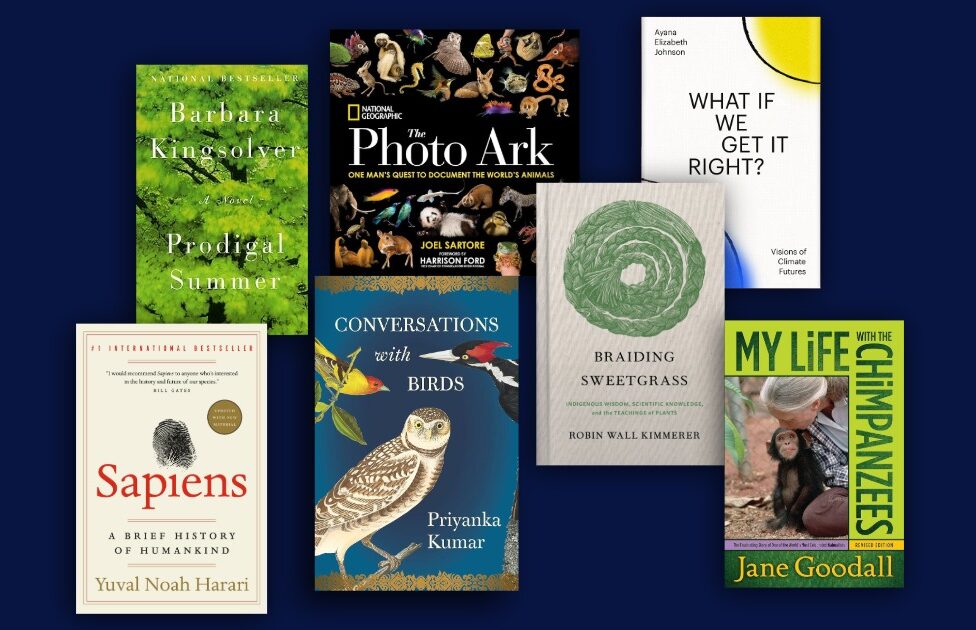
These seven books redefine conservation as a commitment to relationship, attention, humility, and conscious choice. The books span decades and genres, but reading (or re-reading) them together in 2025 allowed me to identify patterns that continue to reshape my perspective on the nuanced environmental, conservation and climate challenges the world faces.
From science to Indigenous knowledge, the common thread is that humans are part of living systems, influencing outcomes through our daily actions and values. The authors call for accountability over comfort, urging readers to pay attention, clearly envision success, question old ideas of progress, and act without guaranteed reward. The result is both grounding and motivating – a renewed energy to consistently show up for our interconnected world with care and responsibility.
Jump to a book:
- What If We Get it Right? Visions of Climate Futures — Ayana Elizabeth Johnson
- Braiding Sweetgrass: Indigenous Wisdom, Scientific Knowledge, and the Teachings of Plants — Robin Wall Kimmerer
- Prodigal Summer — Barbara Kingsolver
- My Life with the Chimpanzees — Jane Goodall
- The Photo Ark: One Man’s Quest to Document the World’s Animals — Joel Sartore
- Sapiens: A Brief History of Humankind — Yuval Noah Harari
- Conversations With Birds — Priyanka Kumar
- About the Author: Ayana Elizabeth Johnson is a marine biologist, policy expert, and climate leader whose work focuses on turning climate anxiety into meaningful action. In What If We Get It Right?, she brings together voices from science, policy, art, business, and grassroots movements to imagine what success could look like if we actually solved the climate crisis and how we might achieve it.
- Where to Buy It: Bookshop.org / Amazon
- Originally Published: 2024
- Great for: Readers who are weary of collapse narratives and paralysis, and who want a hopeful, solutions-oriented vision of the future that treats climate action as collective, creative, and grounded in care for both people and the planet.
- HP’s Tags: Nonfiction, Relational Ecology, Hope Through Relationship, Humans as Participants (Not Managers), More-Than-Human World
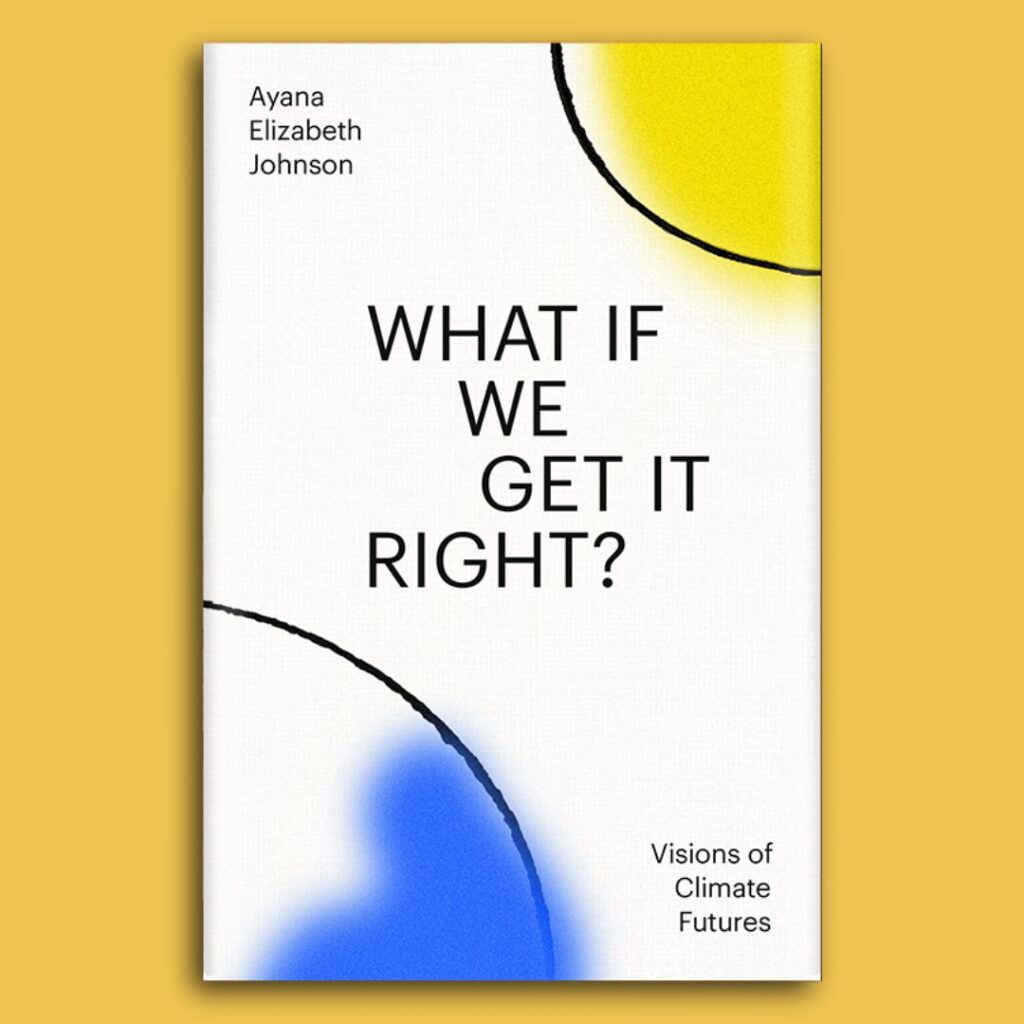
What if We Get it Right? Visions of Climate Futures, by Ayana Elizabeth Johnson
Much climate writing is framed around warnings, collapse, or inevitability. What If We Get It Right? insists on something both more challenging and more useful than the usual paralysis. It demands that we visualize real success, make the path to reach it clear and concrete, then do the work to make it a reality.
Marine biologist, policy expert, and climate leader Ayana Elizabeth Johnson’s approach is resolutely solutions-focused and forward-thinking. Rather than merely cataloging what’s broken, she asks what the world looks like if we actually solve the climate crisis. “Fuck hope. Where’s the strategy?” she challenges.
What makes the book particularly powerful is its interdisciplinary approach, which I value immensely. Johnson weaves together data, policy, science, art, and lived experience, assembling a chorus of voices – farmers, architects, advocates, financiers, artists – who are already building pieces of a better future.
These experts from various disciplines go on to describe a world where renewables comprise the majority of our energy mix, clean water is a given, and ecosystems are restored rather than exploited. Progress here isn’t flashy or heroic; it’s incremental, collaborative, and often invisible. “It is not about the glory,” Johnson writes. “It’s about the ripples. This is what progress often looks like: success without rewards.”
The future is not fixed. Change choices, change outcomes. Johnson urges readers to question inevitability and recognize our collective and systematic agency in shaping what comes next, rather than focusing on individual actions.
In my own work as a conservation photojournalist, nothing is more evident than the sheer creativity and collaboration required to protect ecosystems and the communities that depend on them. What If We Get It Right? names that reality and expands it, arguing that climate action is not just technical or political, but cultural and imaginative. People showing up where they are will build the future, with whatever skills and care they can offer.
One of my favorite interviews in the book is with Kendra Pierre-Louis, a climate journalist and author known for her in-depth reporting on climate change, environmental justice, and sustainable development. Her work combines scientific insight with social context, examining how environmental shifts impact human communities and systems. She encourages journalists like me to shift our focus from climate catastrophe to credible, human-centered pathways forward, sharing strategies, collaborators, and real-world progress that show how change actually happens.
The book closes not with forced optimism, but with a sense of presence. Drawing on the philosophy of Joanna Macy, Johnson reminds us that hope is not a prerequisite for action. What matters is attention, love, and participation. We don’t have to feel confident about the outcome to commit to the work. We only have to decide that the future – and the living world it holds – is worth showing up for.
- About the Author: Robin Wall Kimmerer is a botanist, professor, and enrolled member of the Citizen Potawatomi Nation whose work bridges Western science and Indigenous knowledge systems. Through lyrical essays grounded in ecology, lived experience, and cultural tradition, she reframes humans as reciprocal participants in the living world, challenging extractive mindsets with gratitude, humility, and care.
- Where to Buy It: Bookshop.org / Amazon
- Originally Published: 2013
- Great for Readers who want beautiful, reflective nature writing that reconnects them to the land, plants, and seasons, and who are open to learning how reciprocity, gratitude, and Indigenous ways of knowing can transform their understanding of ecology, responsibility, and belonging.
- HP’s Tags: Nonfiction, Relational Ecology, Humans as Participants (Not Managers), More-Than-Human World, Hope Through Relationship
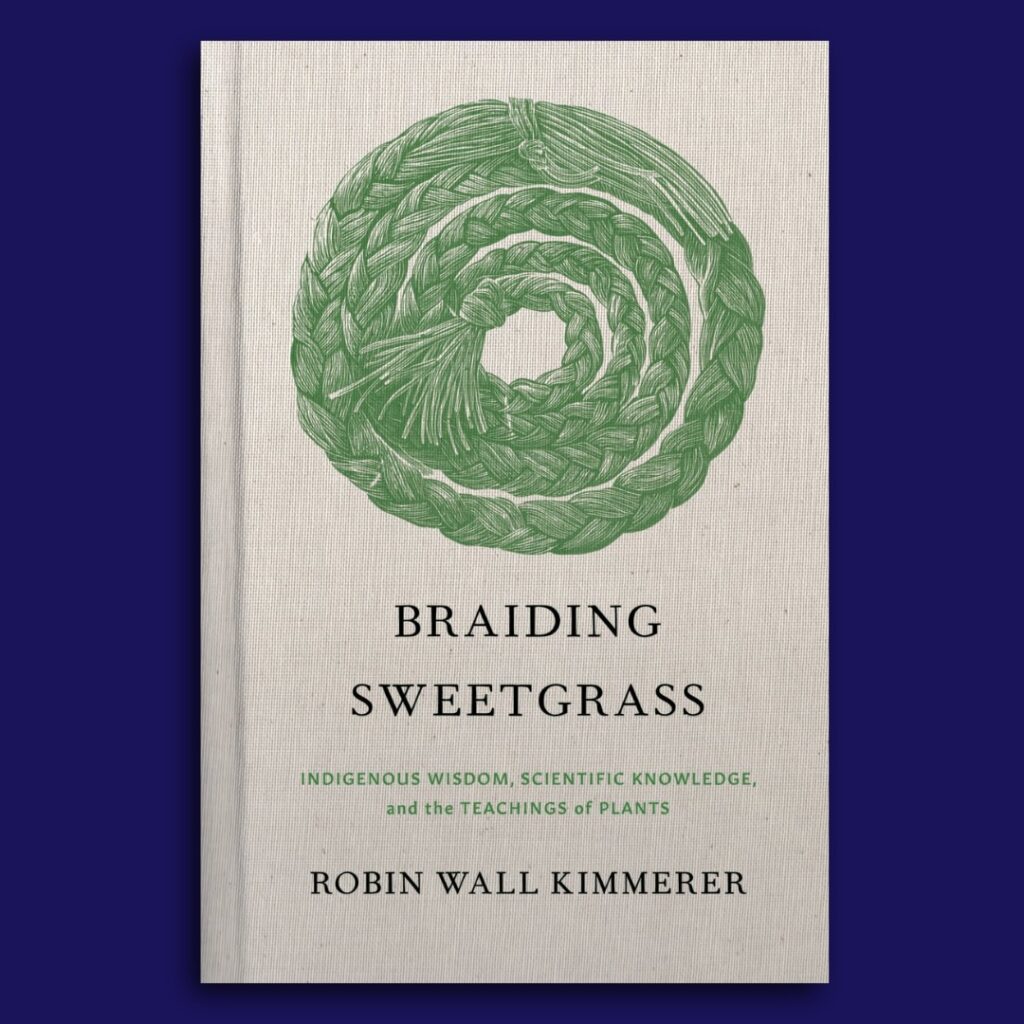
Braiding Sweetgrass: Indigenous Wisdom, Scientific Knowledge, and the Teachings of Plants, by Robin Wall Kimmerer
As I explore the natural world and interact with wildlife, I realize that something critical is missing from the conversation. In Braiding Sweetgrass, Kimmerer weaves together botany, Indigenous knowledge, and personal narrative to explore the reciprocal relationship between humans and the natural world.
As both a scientist and a member of the Citizen Potawatomi Nation, she highlights the subtle divide between institutional ecology, which often emphasizes measurement, control, and detachment, and Indigenous ways of knowing, which are grounded in gratitude, continuity, and reciprocity.
“Action on behalf of life transforms,” Kimmerer writes. “Because the relationship between self and the world is reciprocal, it is not a question of first getting enlightened or saved and then acting. As we work to heal the earth, the earth heals us.”
Lessons unfold through stories of harvesting sweetgrass, learning when not to take, and understanding that how we move through the world shapes how the world responds to us. “Never take the first plant you find,” she teaches us, “as it might be the last – and you want that first one to speak well of you to the others of her kind.”
Using her multifaceted perspective as an Indigenous scientist, she advocates for an ecological consciousness grounded in gratitude and reciprocity, viewing plants and animals as teachers and gifts, rather than resources to be exploited. Braiding Sweetgrass coaxes us with a gentle invitation to listen more closely, walk more softly, and reciprocate the many gifts nature gives us. “What happens to one happens to us all. We can starve together or feast together. All flourishing is mutual. Soil, fungus, tree, squirrel, boy – all are the beneficiaries of reciprocity.”
- About the Author: Barbara Kingsolver is an American novelist, essayist, and biologist by training, known for weaving rigorous ecological science into deeply human stories. Her work consistently explores how environmental systems and human relationships mirror one another, making her one of the most influential literary voices that bridges ecology, ethics, and everyday life.
- Where to Buy It: Bookshop.org / Amazon
- Originally Published: 2000
- Great for: Readers who want to be immersed in lush, intimate environmental writing that makes the land itself a living presence, and who appreciate nuanced, multi-perspective portrayals of how different people relate to, argue over, and ultimately live within the same shared landscape.
- HP’s Tags: Fiction, Relational Ecology, Humans as Participants (Not Managers), More-Than-Human World, Hope Through Relationship
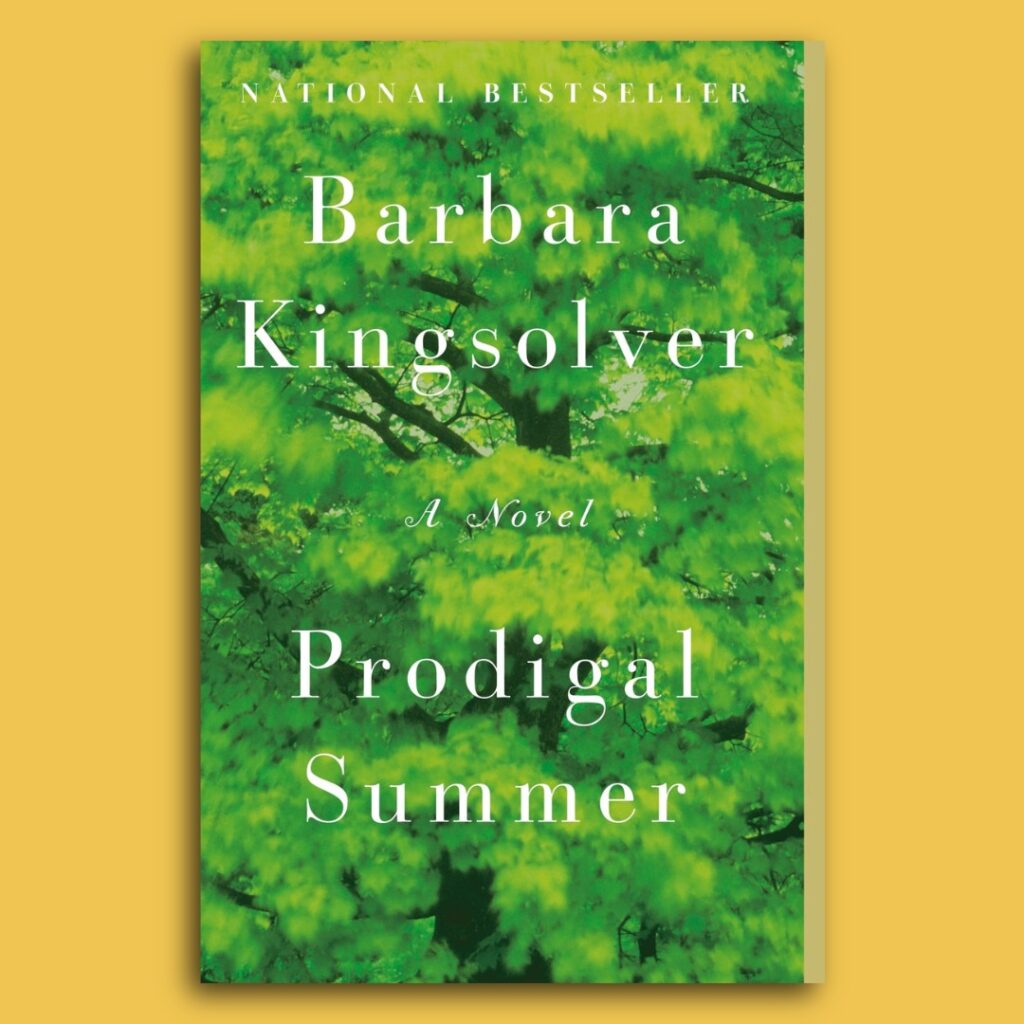
This mystery book was wrapped in plain brown Kraft paper at the local discount bookstore. Written in black Sharpie on the outside was a vague description of “a novel set in southern Appalachia in a single summer, braiding together human stories with rhythms of the natural world.” I slid the book across the counter to check out.
Barbara Kingsolver’s Prodigal Summer unfolds over a single summer in Appalachia, weaving together the lives of neighbors whose personal desires and conflicts mirror the delicate, interdependent systems of the natural world around them. Through richly observed landscapes and ecological insight, the novel explores how love, restraint, and coexistence shape both human relationships and the living land they share.
“Solitude is a human presumption,” Kingsolver writes from the perspective of Deanna Wolfe, a reclusive wildlife biologist and one of the three main narrators in the novel. “Every quiet step is thunder to beetle life underfoot, a tug of impalpable thread on the web pulling mate to mate and predator to prey, a beginning or an end. Every choice is a world made new for the chosen.”
I have often described scenes as “quiet” in my own writing, ignoring the lazy untruth of it. We experience nature as isolation and silence because we center ourselves in it, rather than recognizing that our presence is never neutral and that the world is not happening around us; instead, we are happening within it.
To exist in the environment is to be a part of it. We are never alone, even when we think we are. No action is isolated, but instead entangled in systems of cause and response. Each step determines who lives, who dies, who thrives and who disappears.
Through the recurring conflict over coyotes – whether they should be eradicated for human convenience or allowed to live according to their own ecological role – Kingsolver stages a larger tension between control and humility, intervention and restraint. Prodigal Summer asks the reader to wrestle with the discomfort of coexistence and accept that there is no single “right” position on conservation.
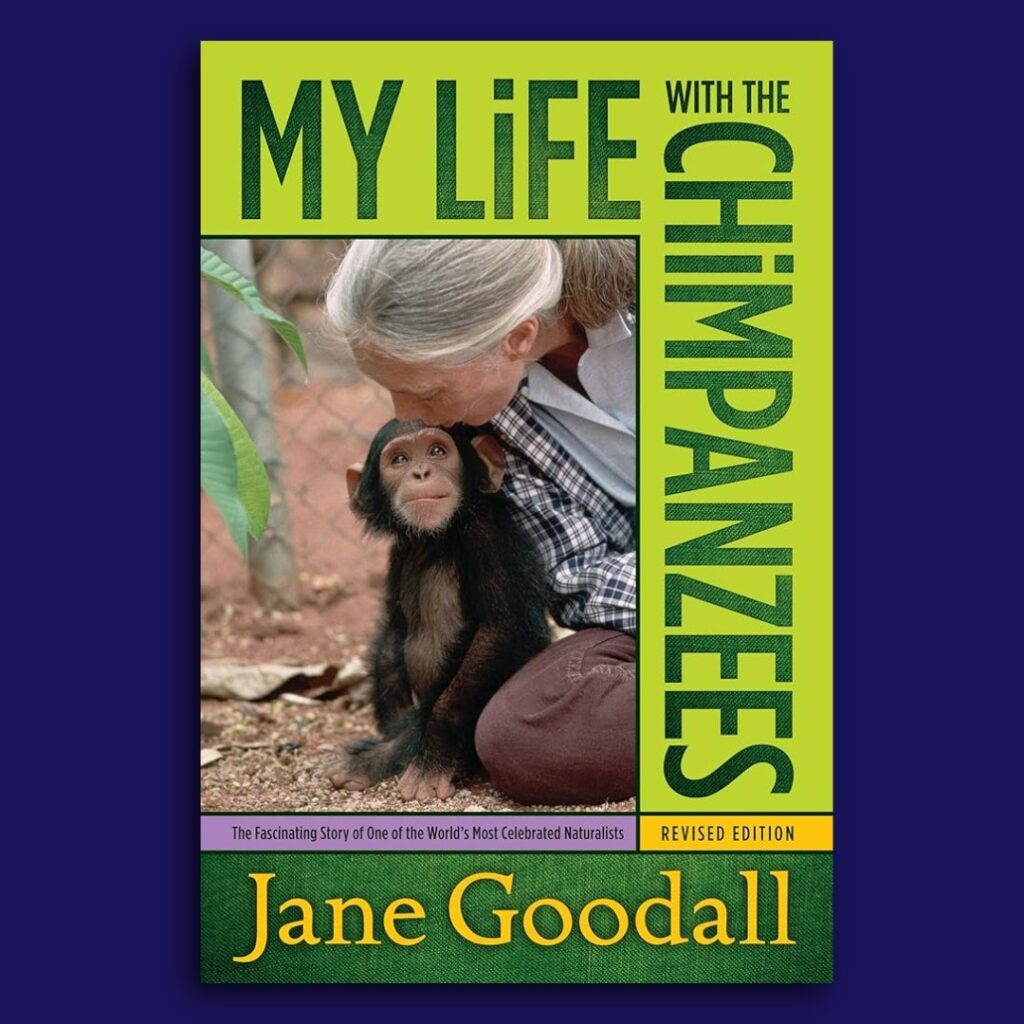
- About the Author: Jane Goodall was a pioneering primatologist, conservationist, and humanitarian whose groundbreaking fieldwork at Gombe Stream National Park transformed our understanding of chimpanzees – and, in doing so, reshaped how humans see themselves in relation to other animals. Entering the forest with patience, empathy, and close observation rather than rigid methodology, she revealed the emotional complexity, intelligence, and social lives of chimpanzees, and became one of the most influential voices for wildlife conservation and environmental stewardship in modern history.
- Where to Buy It: Bookshop.org / Amazon
- Originally Published: 1988
- Great for: Readers of all ages, especially children and young adults, who are curious about animal behavior, inspired by true adventure, and eager to develop empathy, compassion, and a sense of responsibility toward the natural world.
- HP’s Tags: Nonfiction, Relational Ecology, More-Than-Human World, Attention as Responsibility, Hope Through Relationship
The world lost a true leader this year with the passing of Jane Goodall. She has always been my hero – the answer I gave whenever asked which famous person I most want to have dinner with – ever since I first discovered her in my elementary school library. I recall being enthralled as a child by her accounts of living among chimpanzees in the forests of Gombe Stream National Park, as recounted in My Life with the Chimpanzees.
For generations of young readers like me, My Life with the Chimpanzees – both the book and the National Geographic Video many of us saw in our classrooms – was a transformative experience. She blended genuine scientific wonder and clear conviction to create a powerful sense of moral responsibility. The science was intimate rather than academic, inviting children to recognize their own emotions reflected in another species. “Only if we understand, will we care. Only if we care, will we help. Only if we help, shall all be saved,” she said.
My Life with the Chimpanzees remains a pioneering work from one of the world’s most influential conservationists, and an enduring invitation to curiosity, empathy, and care. It is timeless, accessible to young readers, and especially powerful for sparking compassion in children.
Her message that every individual makes a difference moved children from feeling powerless to seeing themselves as agents of change, inspiring school projects, letter-writing campaigns, and early environmental activism. I was one of them. Goodall was a rare and powerful role model for kids, especially for young girls like me. We saw her enter the forest with little more than a notebook and binoculars, and emerge with proof that curiosity, patience and determination matter as much as formal credentials.
Unnervingly prescient, just weeks before her death, I sought comfort in the unabridged audiobook of My Life With Chimpanzees, read by Goodall herself. She reassures listeners in a voice gentle yet firm, “That is our hope. Because if we all start listening and helping, then surely, together, we can make the world a better place for all living things. Can’t we?”
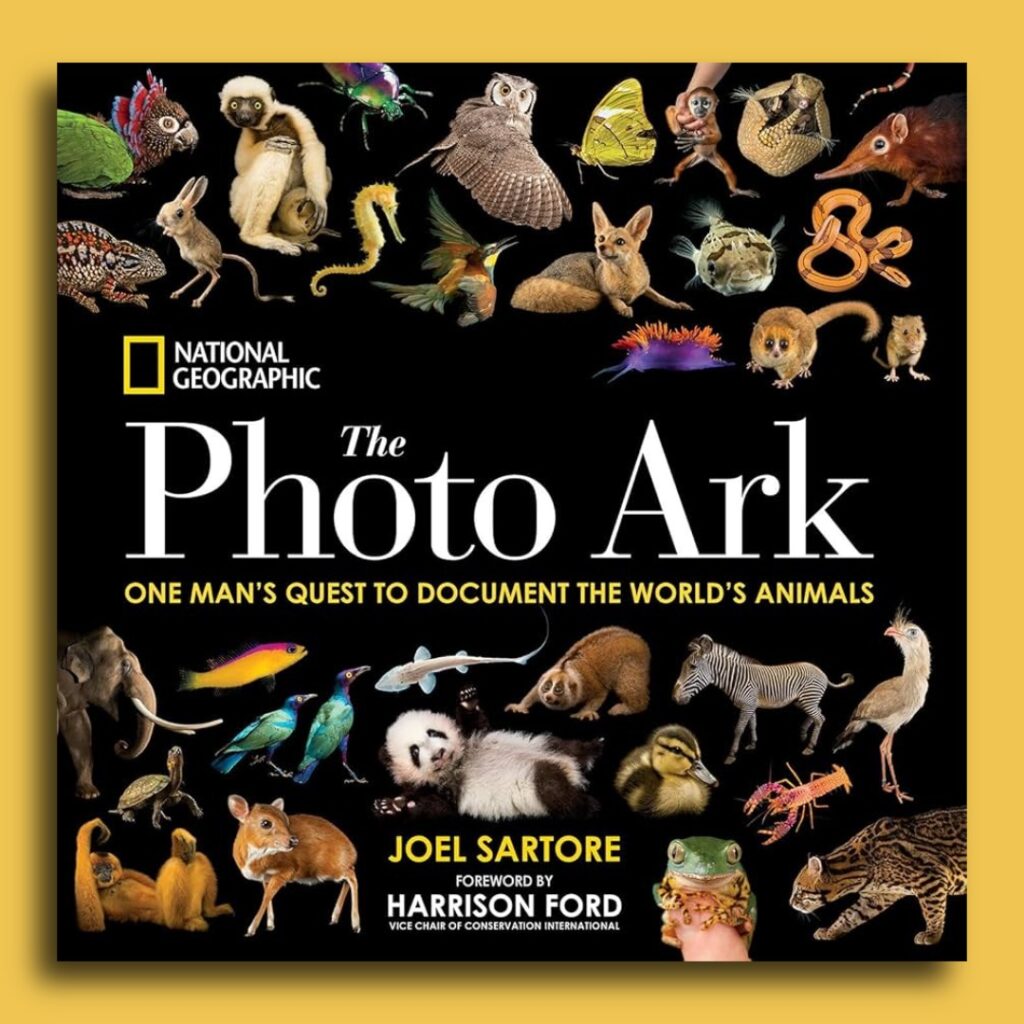
- About the Author: Joel Sartore is a veteran National Geographic photographer and journalist whose career spans two decades of documenting wildlife on the brink, from apex predators to the planet’s last surviving individuals. A National Geographic Fellow and founding Fellow of the International League of Conservation Photographers, Sartore has turned frontline fieldwork and mass-audience storytelling into one of the most influential conservation photography legacies of the modern era.
- Where to Buy It: Bookshop.org / Amazon
- Originally Published: 2017
- Great for: Readers who believe that truly seeing another species is a moral act, and that attention is the first step toward responsibility, care, and conservation.
- HP’s Tags: Nonfiction, Relational Ecology, Attention as Responsibility, More-Than-Human World, Hope Through Relationship
In the mid-2010s, I saw Joel Sartore speak at a NatGeo Live! event at our performing arts center. He shared learnings and anecdotes from the field as a National Geographic photographer on assignment, and made the audience gasp in awe when his images appeared on the 22-by-40-foot screen. His photographs captured the marvel I felt about these animals, and the urgency I feel to save them.
Sartore’s core idea, “to know them is to save them,” led him to embark on this lifelong mission to photograph all of the world’s animals. Sartore captures stunning, studio-style portraits with simple black or white backdrops that compel an immediate, strong connection with each of the animals. Each is stark, dramatic and detailed. He spotlights every animal in a way that celebrates each’s own uniqueness and charisma – no species left to languish in the shadows.
With powerful forewords from Douglas H. Chadwick and actor Harrison Ford, this photographic collection serves as an essential visual archive, inspiring people of all ages to care about and conserve these species. “Can we survive without these things?” Chadwick posits. “Sure, up to a point. The question is, what exactly will we survive as?”
- About the Author: Yuval Noah Harari is a historian and professor whose work examines the long arc of human history through the lens of biology, anthropology, and systems of belief. In Sapiens, he traces how Homo sapiens evolved from being one species among many to a dominant force on the planet, arguing that our capacity for shared myths – including religion, money, nations, and laws – enabled large-scale cooperation while also accelerating our separation from the natural world.
- Where to Buy It: Bookshop.org / Amazon
- Originally Published: 2011
- Great for: Readers who want a big-picture framework and broader context for understanding how humans came to see themselves as managers rather than participants in nature, and who are willing to interrogate the stories, assumptions, and systems that shape our relationship with the living world today.
- HP’s Tags: Nonfiction, Relational Ecology, Humans as Participants (Not Managers), More-Than-Human World, Attention as Responsibility
Reading Sapiens felt like zooming the camera all the way out – far beyond any single species, ecosystem, or moment in time – and realizing just how, when, and why humans began to separate ourselves from the natural order of the world.
Yuval Noah Harari traces humanity’s story from a time when Homo sapiens was simply one species among many to the present moment, where our influence has reshaped nearly every ecosystem on Earth. His central argument is deceptively simple and deeply unsettling: our dominance did not arise from superior strength or intelligence alone, but rather from our ability to believe in shared imagined realities – money, gods, nations, laws – that allowed millions of strangers to cooperate. Those stories lifted us above the food chain, but they also untethered us from biological limits.
One of the book’s most sobering interventions is its dismantling of the myth that our ancestors lived in harmony with nature. “Long before the Industrial Revolution,” Harari writes, “Homo sapiens held the record among all organisms for driving the most plant and animal species to their extinctions.” The Agricultural Revolution, often portrayed as progress, emerges instead as a Faustian bargain: population growth at the cost of suffering, for both humans and the animals we domesticated. “We did not domesticate wheat,” Harari famously notes. “It domesticated us.”
Sapiens repeatedly returns to the idea of control – how plants, animals, landscapes, and eventually people themselves were reorganized to serve abstract systems rather than their own well-being. Culture, Harari argues, narrows biology’s wide range of possibilities: “Biology enables, culture forbids.” As societies scaled up, the myths required to hold them together (property, hierarchy, borders) pulled humans further from the immediate, sensory world and made ecological limits easier to ignore.
There is no return-to-nature fantasy here, only a clear-eyed reckoning. “We study history not to know the future,” Harari writes, “but to widen our horizons, to understand that our present situation is neither natural nor inevitable, and that we consequently have many more possibilities before us than we imagine.”
Having gained the power to redesign the world and now ourselves, Harari asks us to confront what kind of ancestors we want to be. Sapiens doesn’t offer comfort, but it does offer clarity: before we can repair our relationship with the living world, we have to understand the stories that taught us to dominate it in the first place.
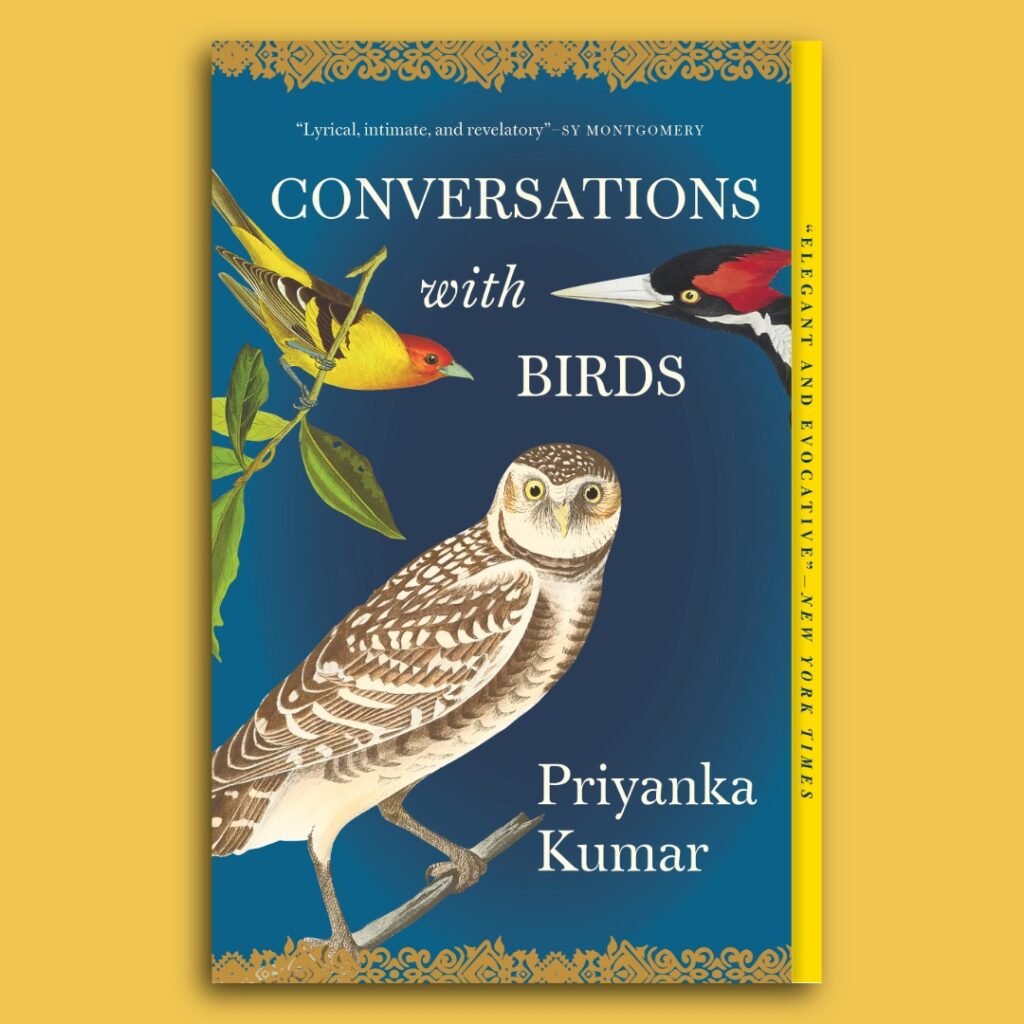
- About the Author: Priyanka Kumar is an essayist and cultural critic whose work explores place, belonging, and the ways humans come into relationship with the more-than-human world. In Conversations with Birds, she blends memoir, natural history, and close observation to examine how paying attention to birds, especially in urban and suburban landscapes, can become a practice of grounding, listening, and coexistence.
- Where to Buy It: Bookshop.org / Amazon
- Originally Published: 2022
- Great for: Readers who want quietly immersive nature writing that sharpens attention to everyday wildlife, and who are curious about how listening to birds, to place, to what surrounds us, can reshape our sense of home, responsibility, and connection in a shared landscape.
- HP’s Tags: Nonfiction, Relational Ecology, Attention as Responsibility, More-Than-Human World, Hope Through Relationship
Reading Priyanka Kumar’s Conversations with Birds was like walking onto my porch and taking three deep breaths. It enlightened me to how much of the local wildlife around me I was missing. Her essays – some of which I had the pleasure of hearing the author read aloud at an Outdoor Writers Association conference in El Paso in 2024 – nudge us to slow down, and to sit still long enough to notice who was already there
Her essays inspired me to invite wildlife in more intentionally, and to scan the skylines and riverbeds differently, listening when birds arrive instead of moving past them. In Conversations with Birds, Kumar traces her life across the American West, using birds not as checkmarks on a list but as points of entry into place, season, and belonging.
Having grown up in the shadow of the Himalayas and later feeling estranged from the natural world after moving to North America, she finds her way back through careful observation, learning the birds of Los Angeles, Santa Fe, and the desert Southwest as a way of rooting herself in unfamiliar landscapes. Her descriptions of New Mexico evoked childhood memories of an outdoor educational program at the Bosque Ecosystem Monitoring Program (BEMP), where I stayed briefly in Albuquerque during summers, visiting my mom.
“Birds are my almanac,” she writes. “They tune me into the seasons, and into myself.” Her attention is intimate and patient, rich with detail, and grounded in return visits rather than instant revelation. “Neither the land nor the birds yield their stories all at once,” Kumar reminds us. “You have to come back again and again… to be able to put together a picture of the lives of birds.”
Woven through the essays is a clear-eyed frustration with human behavior. Kumar doesn’t shy away from naming the harm, but she frames responsibility as an invitation rather than an indictment. “We haven’t been good neighbors on this planet,” she writes. “If we could see how our solipsism harms other animals, we might take more responsibility to remedy the harm we have done. When we heal the planet, it in turn heals us.”
Conversations with Birds invites us to reconsider the interactions between people and wildlife in urban and suburban spaces. In return, it offers us the opportunity to create a practice of listening, watching and waiting. The birds were always there; Kumar teaches us to notice and how noticing can change how we live.
TL;DR? I made a one-minute video!
Shop the list on Bookshop.org to support your local bookstore!


