

Humans have long been fascinated by monarch butterflies and their epic journeys. Their innate ability to endure hardship and navigate thousands of miles mesmerizes us, as they migrate with multiple generations across thousands of miles. Their unique transformation between an egg, caterpillar, chrysalis and ultimately butterfly is a vivid metaphor for change, rebirth and hope. They are stunningly beautiful and catch our eyes immediately – and yet they are also a touchstone for environmental issues, pollinator conservation and climate change.
Species: Monarch Butterfly
Also Known As: Milkweed Butterfly, Common Tiger, Wanderer, and Black-veined Brown
Once numbering in the hundreds of millions across summer breeding grounds from Southern Canada through the American Midwest, monarch butterflies have crashed. By the 1990s, scientists noted an 80 % decline in eastern monarchs from their former abundance. Western monarchs have fared even worse, falling over 90% since the 1980s, as habitat loss, pesticide use and climate pressures eroded the milkweed-rich landscapes they depended on.
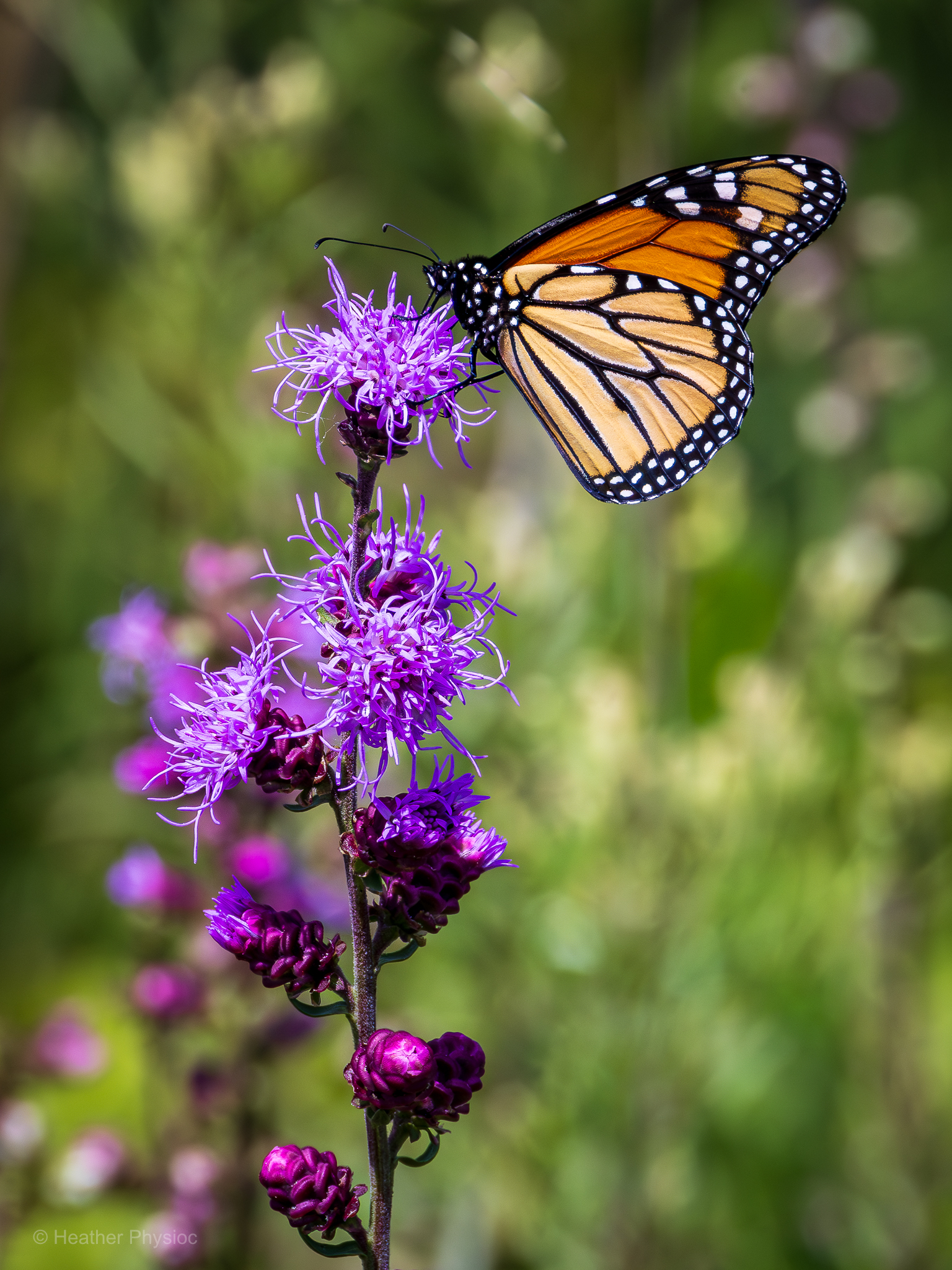
Quick Facts About the Monarch Butterfly
- Order: Lepidoptera (scale wings)
- Family: Nymphalidae
- Genus: Danaus
- Species: Danaus plexippus
- Wingspan: Considered a fairly large butterfly, with a typical wingspan from 2.75 to 4 inches
- Weight: Less than half a gram
- Lifespan: “Summer generation” adults live 2 to 5 weeks; migratory “fall generations” live longer, up to 8 to 9 months.
- Diet: Nectar from flowers like milkweed, sunflower, coneflower, ironweed, lantana, zinnia, penta and salvia. Ripe or rotting fruits like bananas, mangoes, and oranges are especially prevalent in tropical regions. Caterpillars feed exclusively on milkweed.
- Natural Predators: Invertebrates like ants, spiders, wasps and lacewing larvae prey on monarch eggs, caterpillars and pupae. Fire ants are major larval predators in some places. Mice, lizards and toads may prey on monarchs at various stages of life. Birds like black-backed orioles and black-headed grosbeaks that can tolerate the monarch’s toxic cardenolides, which make it distasteful or toxic to other predators.
- Parasites: Ophryocystis elektroscirrha (OE) protozoan, flies, wasps, bacteria, invasive swallow-wort are toxic to larvae
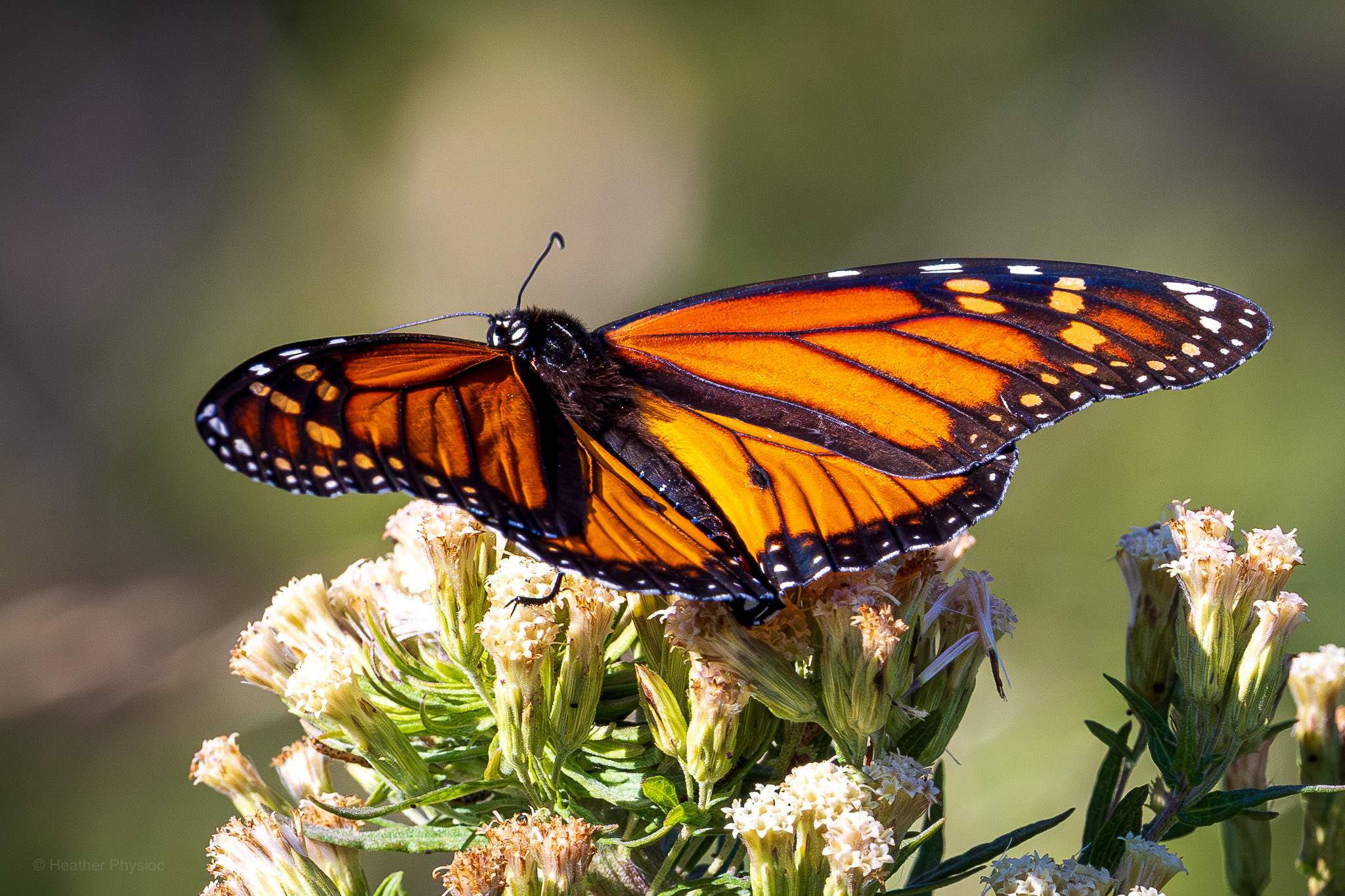
- Appearance: Bright orange-red wings with black veins and white spots along the edges. Males are slightly larger than females, with thinner wing veins and small scent glands on their hindwings.
- Variations: 3 distinct species, 6 subspecies, and two color morphs of monarch butterflies have been identified.
Monarch Butterfly Range & Habitat
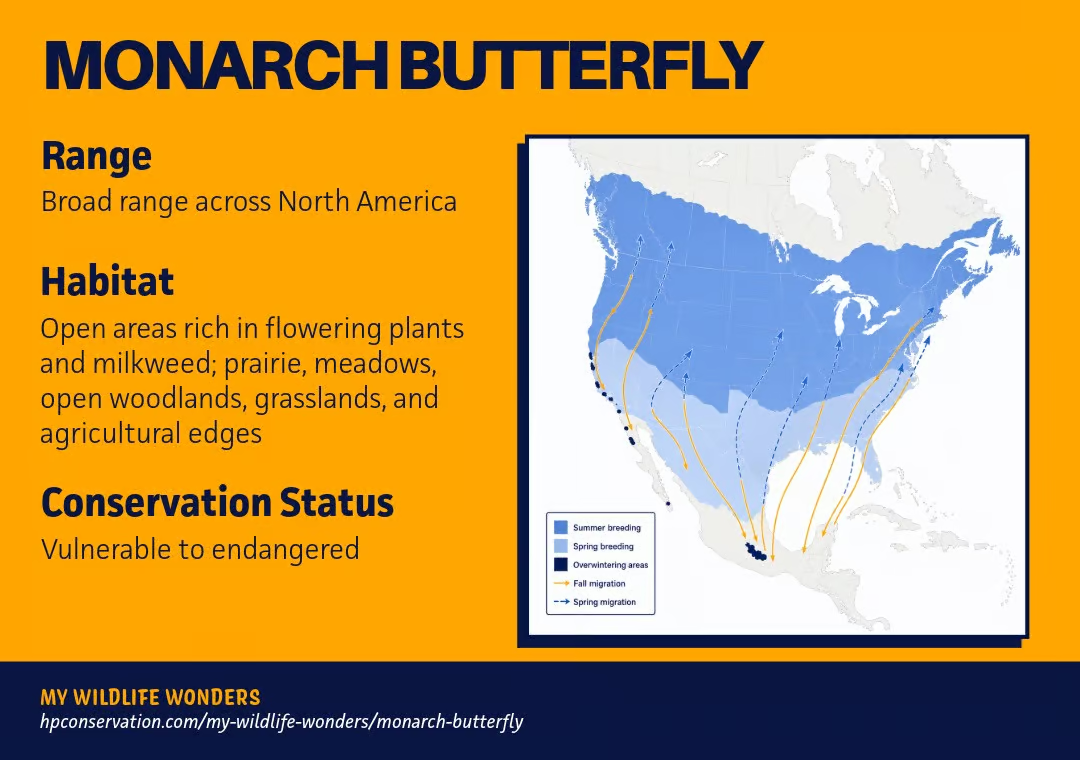
- Range: Broad range across North America. The eastern population spans from southern Canada to east-central United States, with over-wintering sites in central Mexico. The western population lives west of the Rocky Mountains, from southwestern Canada to overwintering sites in coastal California. Non-migratory populations also exist in parts of the southern U.S.
- Origin: Native to North America, from central and southern Canada to northern Mexico
- Habitat: Monarchs prefer open areas rich in flowering plants and milkweed, their larval host plant. They can typically be found in meadows, prairies, grasslands, open woodlands and agricultural edges.
- Overwintering forests: They rely on oyamel fir forests in central Mexico and eucalyptus or pine groves on the California coast for microclimates that have shelter, sunlight and moisture that enable over-wintering. They roost at night in trees, clustering by the tens of thousands to keep warm, and bask in the morning sun.
Monarch Butterfly Mating
- Mating System: Promiscuous; males patrol milkweed patches to chase off rivals and seek females. Males often mate with multiple females, and females often mate more than once.
- Mating Season: Primarily spring and summer for migratory populations. Over-wintering populations mate in early spring before dispersing.
- Courtship & Copulation: Monarchs mate soon after emerging as adults in spring and summer. Males pursue females in aerial chases, often forcing them to the ground where copulation occurs, lasting 30 to 60 minutes. Males use claspers to attach to females during mating, lasting 30 minutes to several hours. The male transfers a spermatophore that fertilizes the female’s eggs and provides nutrients.
Monarch Butterfly Reproduction & Lifecycles
- Egg laying: Females lay eggs on the underside of milkweed leaves, their exclusive host plant. A female lays between 100 and 300 eggs during her lifetime, usually over days to weeks. Females select host plants guided by chemicals detected through taste receptors on their feet. Monarchs don’t care for eggs or offspring; instead, eggs, larvae and pupae develop on the milkweed plants.
- Reproductive diapause: The last-generation monarchs of the year delay reproduction and do not lay eggs immediately after emerging. This is called “diapause,” during which development is suspended and some physiological processes are dormant. This helps them complete their long migratory flight and survive overwintering.
- Metamorphosis: Monarch butterflies undergo complete metamorphosis, which can take a few weeks up to seven weeks to complete depending on environmental conditions. Less than 10% survive. The monarch butterfly lifecycle includes four phases – egg, larva, pupa and adult.
Monarch Butterfly Migrations
The monarch is the only known butterfly to exhibit a two-way migration pattern, similar to many bird species.
- Migratory populations: Monarch butterflies in the eastern North American population instinctively migrate in the late summer and fall from the north and central U.S. and Canada, southward to Florida and Mexico. One generation covers thousands of miles in a migration, then returns north in the spring with multiple generations – as many as three or four at once. The population west of the Rocky Mountains typically migrates to southern California or a bit further into Mexico. They can fly 50 to 100 miles in a day during the migration, totaling nearly 3,000 miles by the end of their journey.
- Non-migratory populations: Additional monarch populations that do not migrate can be found in the southern Americas, Europe, Oceania and Southeast Asia. Migratory and non-migratory monarchs are genetically the same; a part of the non-migratory monarch’s genome that regulates migration is not expressed.
Monarch Butterfly Conservation Status
“Vulnerable” (Last assessed by IUCN in 2023); U.S. considering “threatened” listing under Endangered Species Act; Canada lists as federally “endangered”
People worldwide are captivated by this colorful North American butterfly, but without swift action and fierce protection, we risk losing the species for generations to come. Conservation efforts for the monarch butterfly are essential to slow population declines, not only for this species, but also for many other threatened butterflies like the Karner Blue, Schaus’ Swallowtail and Miami Blue – all critically endangered in the U.S., and some already experiencing local extinctions.
According to the U.S. Fish & Wildlife Service, which proposed in 2024 to add the monarch butterfly to the list of species protected under the Endangered Species Act, the western migratory population has declined by 95% since the 1980s, putting it at risk for extinction by 2080. The eastern migratory population has also declined 80%, and is estimated to be 56 to 74% likely to go extinct.
- Key Threats:
- The most significant risk driver for monarch butterflies is the widespread loss of milkweed plants, their sole larval host, mainly due to herbicide use in large-scale agriculture. Pesticide use further degrades habitat and kills non-target insects.
- Climate change disrupts migration timing and flowering of nectar plants, leading to food shortages.
- Overwintering habitat loss and degradation, primarily from illegal logging and deforestation in Mexico’s oyamel fir forests and coastal California eucalyptus groves, expose monarchs to harsh weather and reduce shelter.
- Parasites and invasive plants add pressure on the species.
- Conservation Efforts:
- Habitat restoration by promoting the planting of native milkweed and nectar sources across monarch breeding and migration corridors, particularly in the U.S. Midwest and Great Plains, like the “I-35 Monarch Highway” and “Route 66 Monarch Flyway” conservation routes. Citizens can help by planting milkweed, protecting pollinator corridors and installing monarch waystations.
- Reducing pesticide and herbicide impacts through sustainable farming practices, policies and programs.
- Protection and sustainable management of overwintering forests in Mexico and California are crucial. Multi-agency and community partnerships, including conservation groups, governments, farmers, and citizen scientists, support monitoring, education, research and policy advocacy to protect monarch habitats and enhance population resilience.
A sense of community has sprung up around monarch butterflies. Some Mexican, Latinx and Indigenous groups tie monarchs to their ancestors’ souls, or honor the animals in myth and folklore, or in celebrations like Day of the Dead. A growing network of monarch festivals, citizen science and individual conservation efforts now works in concert to save this beloved species.
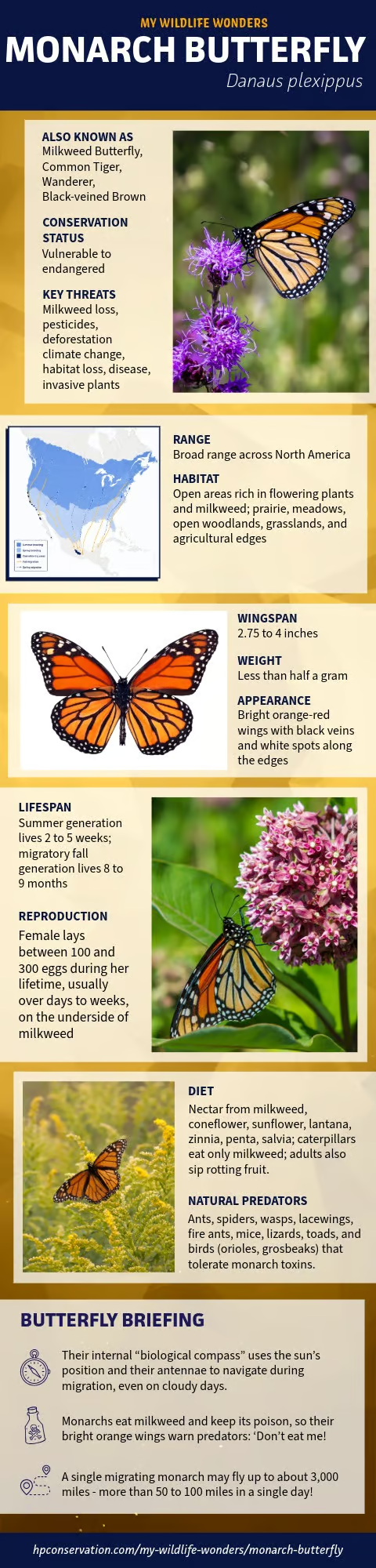
Wildlife Snapshot Infographic: Monarch Butterfly
The story of the Monarch Butterfly is as extraordinary as its migration. This infographic provides a concise overview of the Monarch’s defining traits, conservation status, and vital role in North America’s ecosystems.
Monarch Butterfly Coloring Book Page & Learning Activity Sheets for Kids
Click below to download free, fun activities and coloring sheets for kids to enjoy and learn more about insects and other invertebrates, such as the Monarch Butterfly.
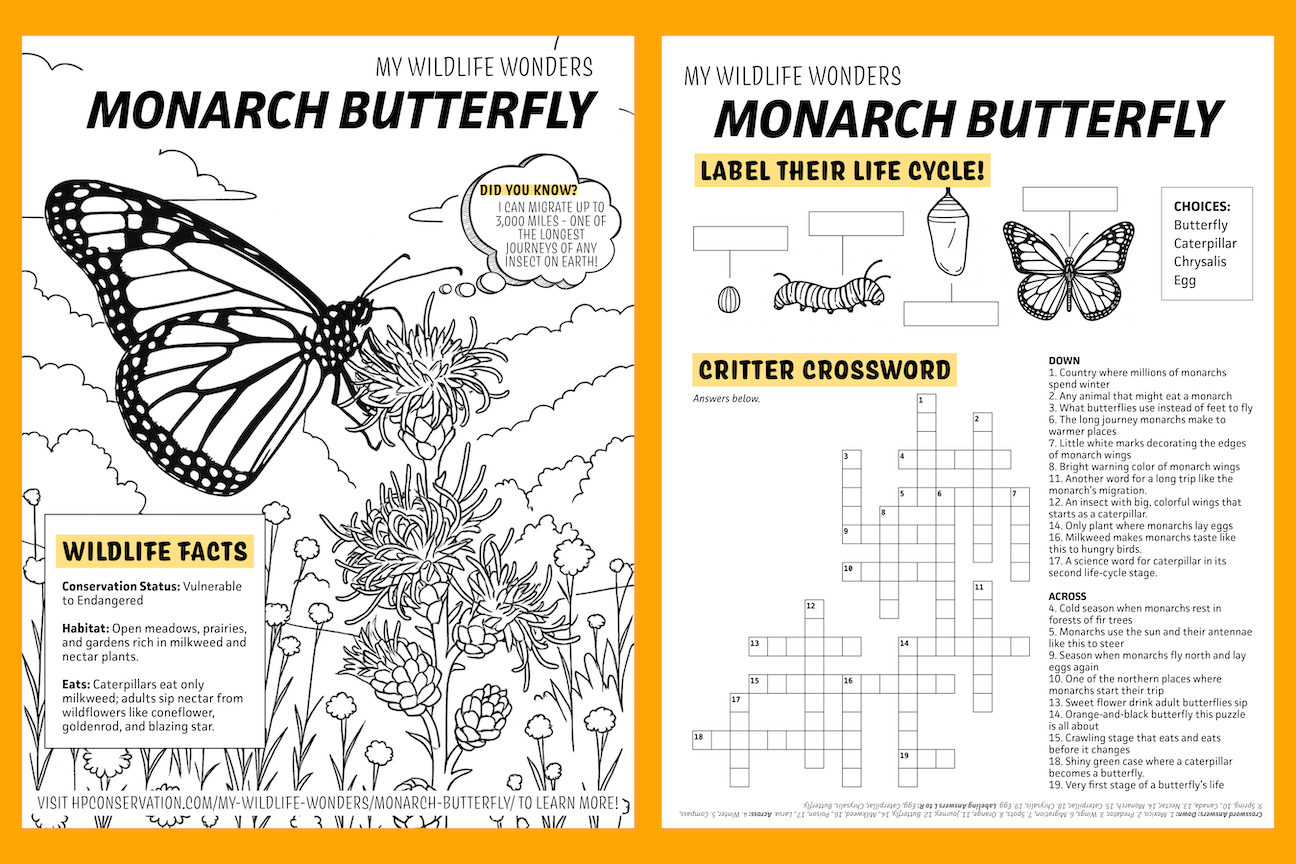
Printing tip: These pages are designed for 8.5″ x 11″ (Letter) size paper, which is the standard size in U.S. printers. Select “Fit to page” (or a similar option) in your printer dialog menu to ensure that all the contents are printed. Choose “Point on Both Sides” or “Print 2-Sided” to reduce paper waste.
Sources (Alphabetical)
- Butterfly Conservation
- Farmers for Monarchs
- Field Museum
- Folk Life by Smithsonian
- iNaturalist
- Missourians for Monarchs
- Monarch Butterfly Fund
- Monarch Joint Venture
- Monarch Watch
- National Wildlife Federation
- NatureServe
- PBS
- Save Our Monarchs
- Texas A&M AgriLife Extension
- U.S. Fish & Wildlife Service
- U.S. Forest Service
- Utah Pollinator Pursuit
- The Wildlife Society
- Xerces Society for Invertebrate Conservation


