
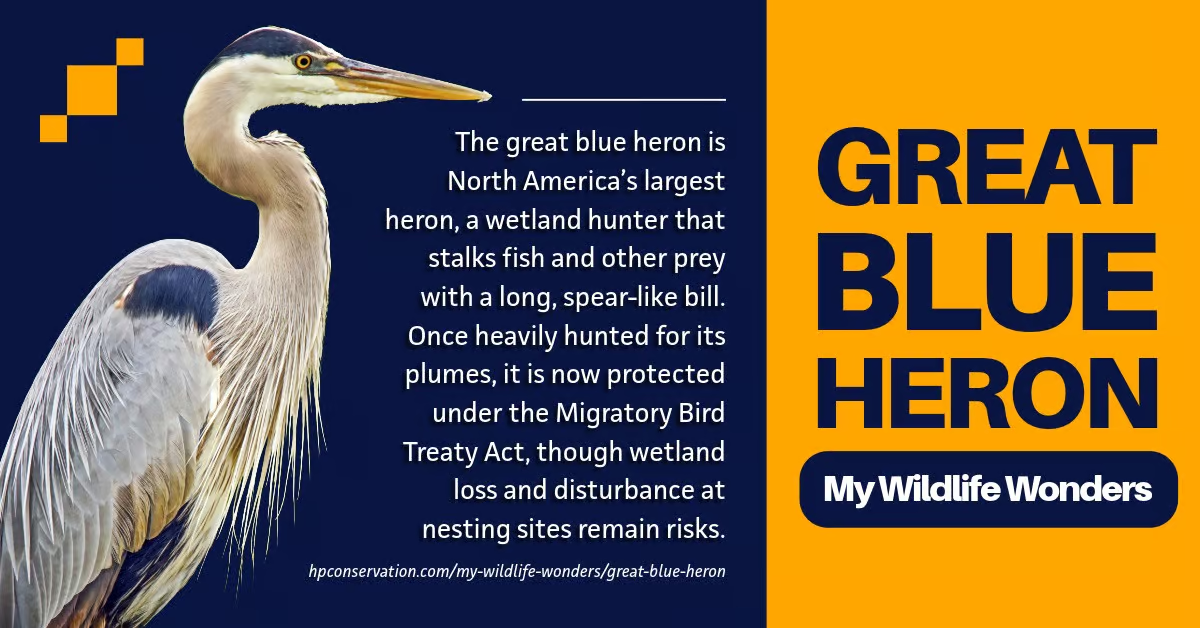
A Great Blue Heron can look almost prehistoric standing motionless at the edge of a wetland. Nearly four feet tall, with a wingspan approaching seven feet, it is a hunter built around two extremes: patience and speed. It may remain nearly motionless for long stretches before specialized neck vertebrae help launch its spear-like bill toward unsuspecting prey. Then it lifts into the air on enormous wings, tucking its serpentine neck against its body as its long legs trail behind.
Great Blue Herons are the largest herons in North America and among the continent’s most recognizable wetland predators. They thrive along marshes, rivers, lakes, swamps, estuaries and coastlines, where long legs carry them through shallow water in pursuit of fish, frogs, snakes, rodents and even other birds. They connect life above and below the waterline, turning the abundance of wetlands into food for one of their most formidable hunters.
Yet the solitary bird stalking the shoreline represents only half the story. During breeding season, Great Blue Herons gather in colonies called heronries, sometimes building dozens or hundreds of enormous stick nests high in the trees. Both parents incubate their pale blue eggs and feed their growing chicks, commuting between nesting colonies and productive feeding grounds. Protecting a heron therefore means protecting more than the patch of water where we happen to see it. It needs an interconnected landscape of food-rich wetlands and secure places to raise its young.
Globally, the Great Blue Heron remains classified as Least Concern, and its enormous range stretches across much of the Americas. But being common does not make a species immune to change. Wetland loss and degradation, development, pollution and disturbance of nesting colonies continue to threaten herons locally, while recent eBird analyses have detected widespread declines across the United States and Canada.
The Great Blue Heron is both resilient and revealing. It has adapted remarkably well to many human-altered landscapes, but its future still depends on healthy wetlands, productive waterways and protected nesting colonies. Its story is a reminder that conservation isn’t only about rescuing species already on the brink. It is also about keeping common wildlife common, and ensuring that the unmistakable silhouette of this giant wading bird remains a familiar sight for generations to come.
Species: Great Blue Heron
Also Known As: blue heron, great blue, zhashagi (Ojibwe)
Quick Facts About the Great Blue Heron
- Order: Pelecaniformes (herons, ibises and allies)
- Family: Ardeidae (herons, egrets and bitterns)
- Genus: Ardea
- Species: Ardea herodias
- Size: 65.8- to 79.1-inch wingspan
- Females: Generally smaller than males; sexes otherwise look similar.
- Males: Generally larger than females; large adults can stand roughly 4 feet tall.
- Weight: Typically about 4.6 to 5.5 lbs (2.1 to 2.5 kg).
- Length: About 38 to 54 inches (97 to 137 cm).
- Lifespan: About 15 years on average in the wild; the oldest recorded wild Great Blue Heron was at least 24 years, 6 months old.
Great Blue Heron Characteristics
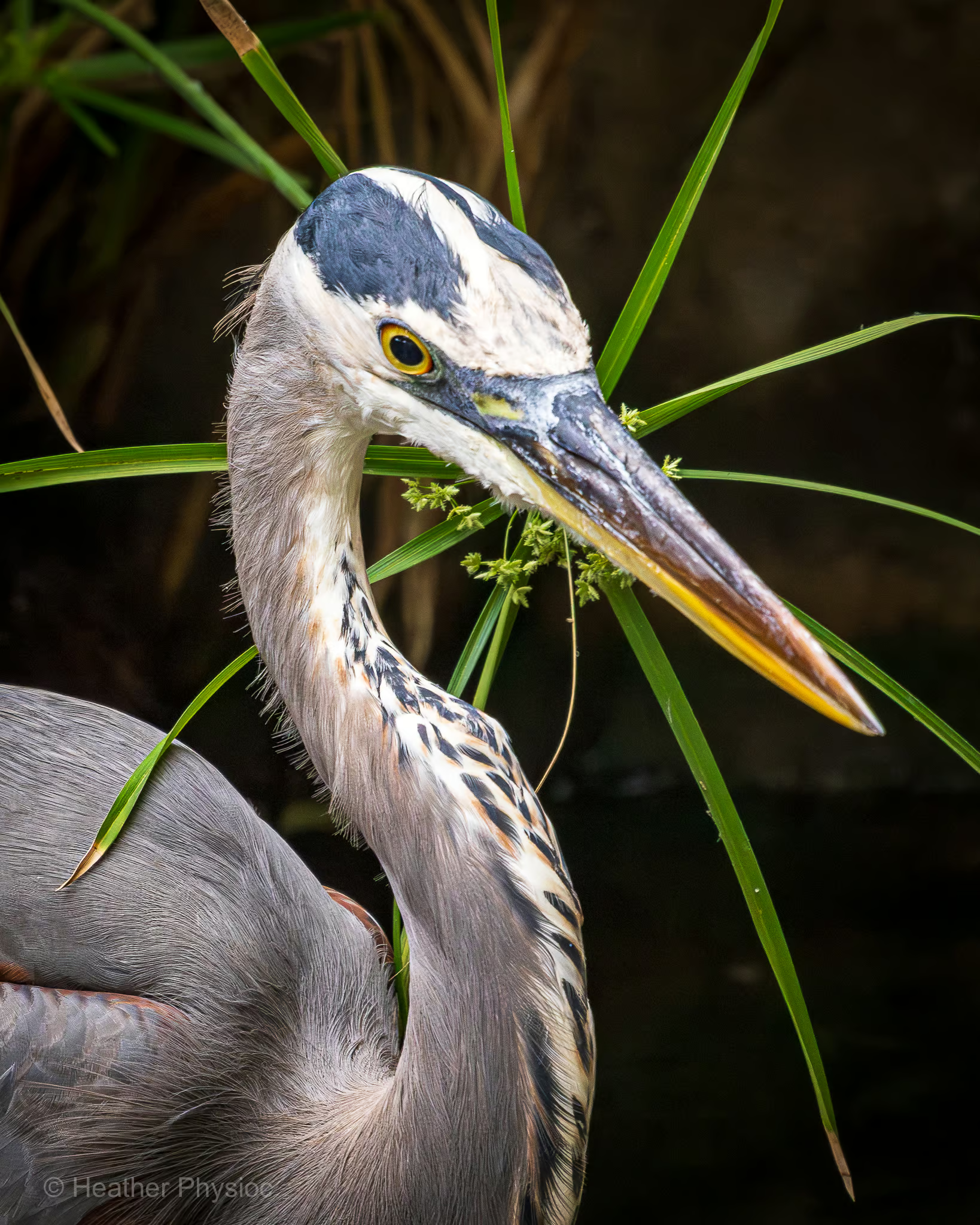
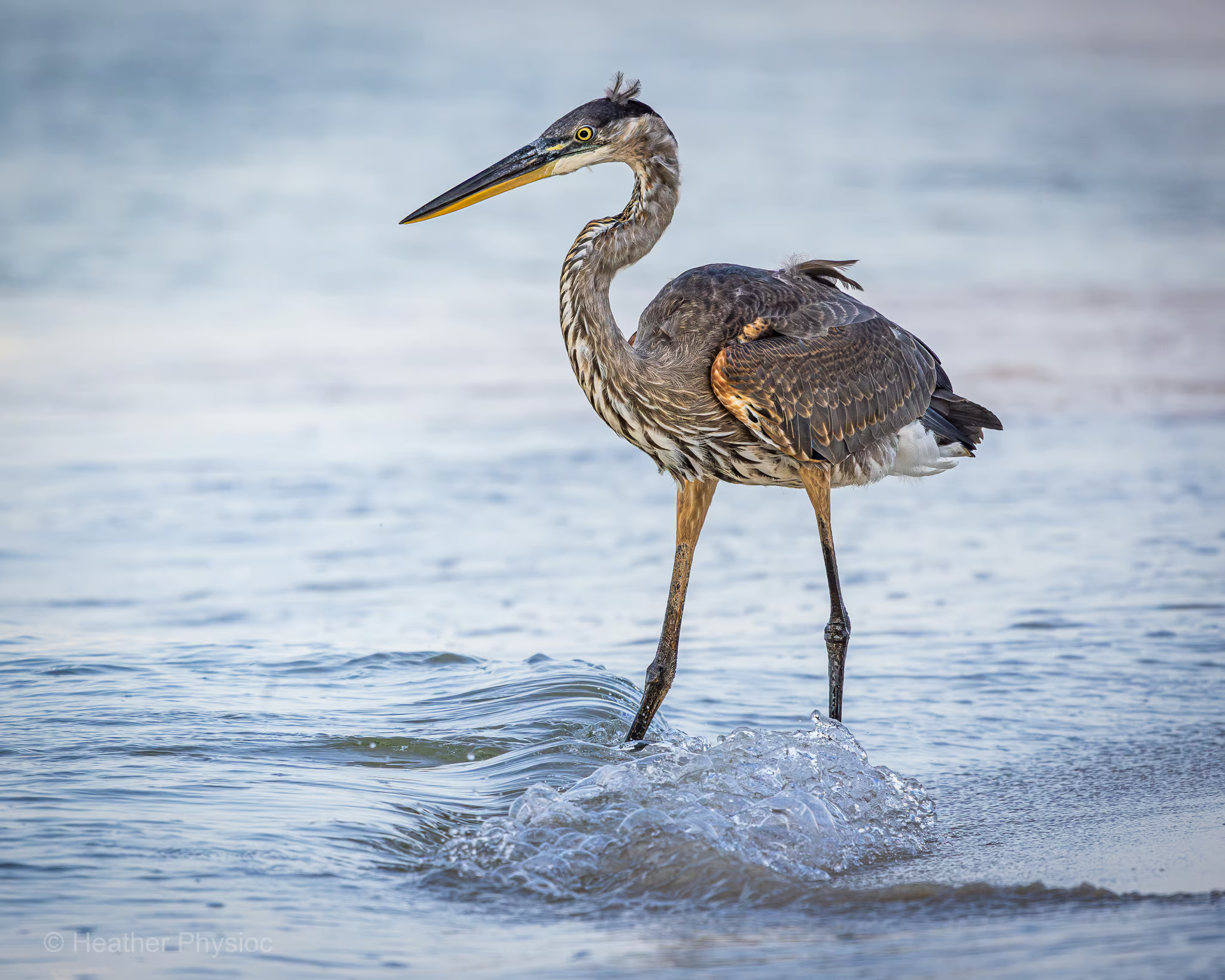
- Appearance: Very large, long-legged wading birds. Adults are mostly blue-gray with a white face, black stripe over the eye, long neck, shaggy chest feathers and dark shoulder patches. Breeding adults develop long, showy plumes. Young birds are duller and have a dark crown.
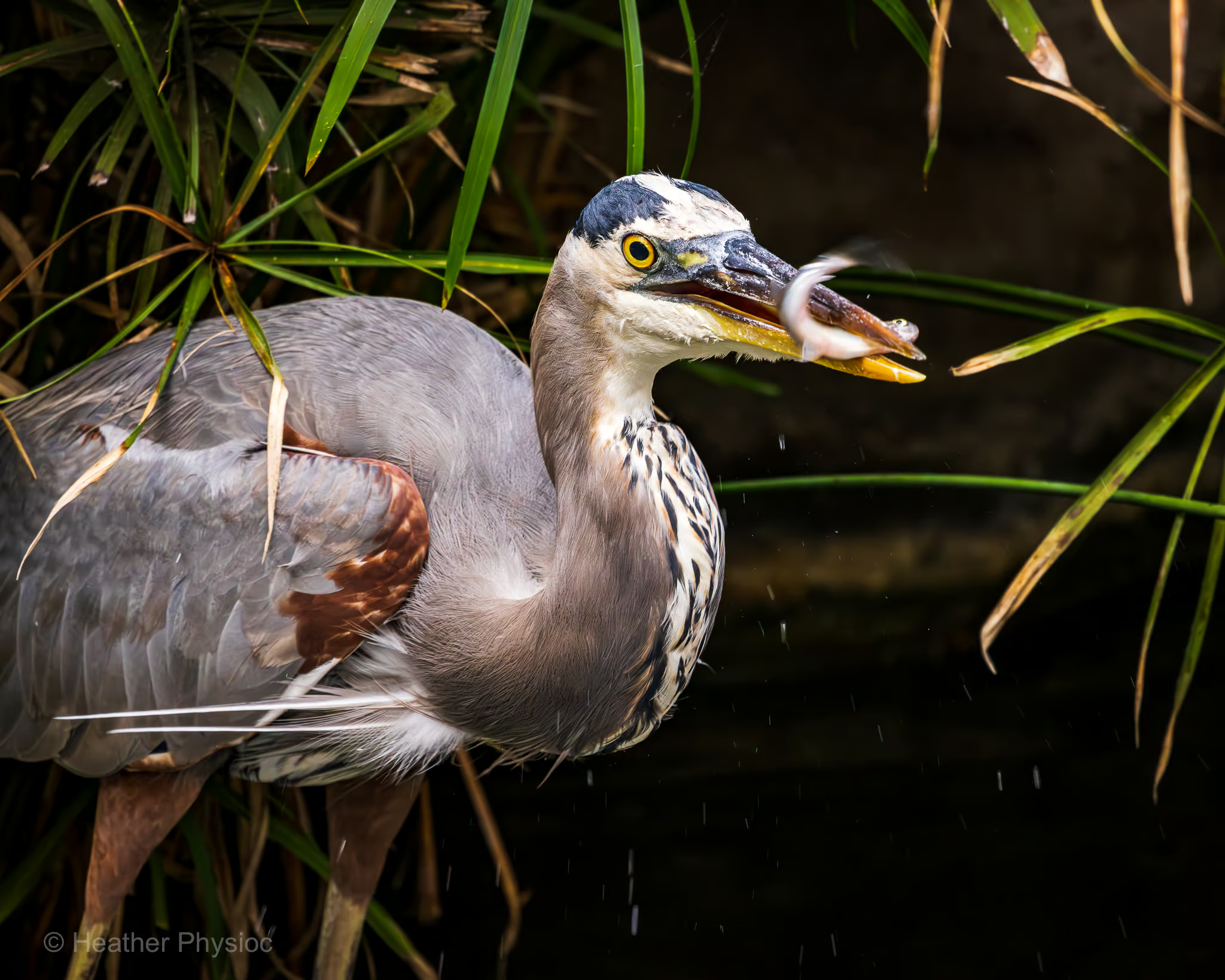
- Bill & Feet: Built for wading and hunting. Their long, dagger-like bill grabs prey with lightning-fast strikes, while long legs and widely spread toes help them walk and stand in shallow water. A comb-like middle claw helps groom their feathers.
- Diet: Opportunistic carnivores. They eat mostly fish, but also frogs, salamanders, snakes, turtles, crustaceans, insects, rodents and even other birds, often swallowing prey whole.
- Commonly Seen With: Great egrets and other herons and wading birds, especially around productive wetlands. They may nest alongside other heron and egret species. Beavers can be important habitat partners because their dams create wetlands and flooded trees useful for feeding and nesting.
- Natural Predators: Adult Great Blue Herons have relatively few predators, but Bald Eagles and Great Horned Owls can kill them. Eggs and young may be preyed upon by eagles, ravens, crows, raccoons, bears and other predators.
Great Blue Heron Range & Habitat
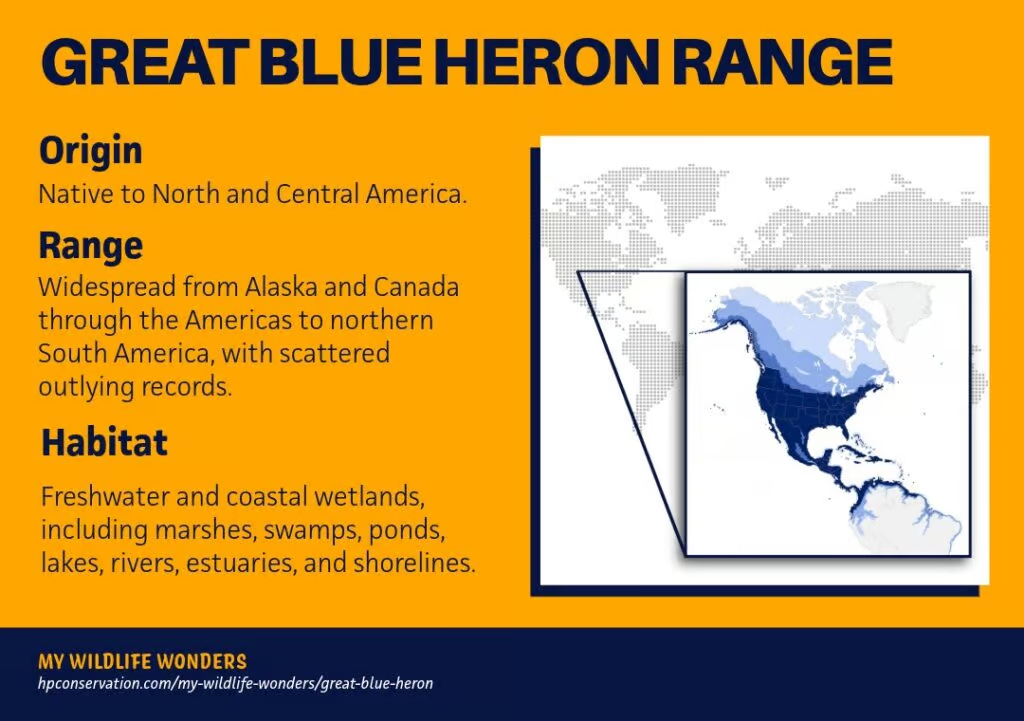
- Current Range: Widespread across the Americas, from Alaska and southern Canada through the United States, Mexico and Central America, plus the Caribbean, Galápagos and parts of northern South America.
- Origin: Native to the Americas.
- Elevation Range: From sea level to about 8,500 feet (2,600 m), although most are associated with lowland aquatic habitats.
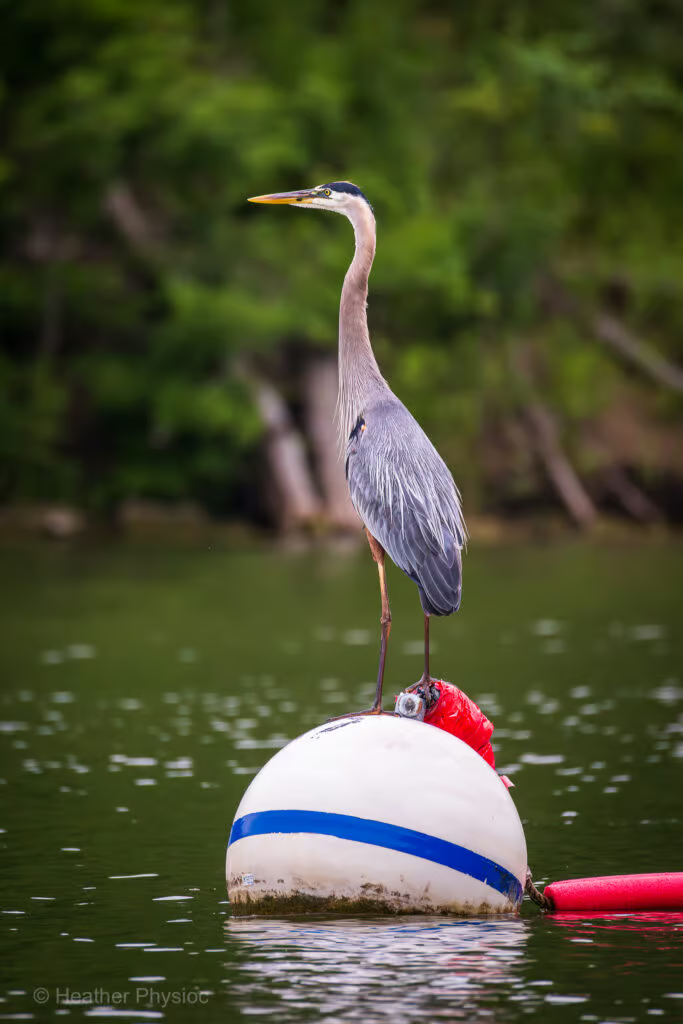
- Habitat: Highly adaptable around water, using marshes, lakes, ponds, rivers, swamps, estuaries, mangroves, tidal flats and coastlines. They also forage in fields and meadows. Nesting colonies are usually in tall trees near productive wetlands.
- Role in Landscape: Upper-level wetland predators that eat fish and many other animals, connecting aquatic and terrestrial food webs. Their nesting colonies can also concentrate nutrients around heronries.
- Seasonal Movement: Partially migratory. Northern birds commonly move south when waterways freeze, sometimes traveling as far as the Caribbean or Central and South America. Many southern and coastal birds remain in the same region year-round.
Great Blue Heron Mating & Courtship
- Social Structure: Usually solitary while feeding, but highly social when breeding. Great Blue Herons often nest together in colonies called heronries, which can contain dozens or even hundreds of nests.
- Sexual Maturity: Typically begin breeding at about 2 years old.
- Mating System: Seasonally monogamous. Males and females pair for a breeding season but usually choose new mates in later years.
- Mating Season: Varies by location, but breeding generally begins in late winter or spring across much of North America, with southern populations breeding earlier.
- Courtship & Competition: Elaborate and highly visual. Males claim nest sites, stretch their necks, raise their plumes, snap their bills and present sticks to attract females. Paired birds also perform ritualized greetings and bill-clattering displays.
Great Blue Heron Reproduction
- Incubation: About 26 to 29 days. Both parents take turns incubating the eggs.
- Hatching Timing: Varies by location, but chicks generally hatch during spring and early summer across much of North America.
- Chicks at Hatching: Helpless and dependent on their parents. Clutches typically contain 2 to 6 pale blue eggs. Chicks hatch with their eyes open and sparse grayish down.
- Chick Growth & Care: Both parents feed the chicks by regurgitating food, primarily fish and other prey. Young herons gradually become more active, eventually climbing onto nearby branches before becoming strong fliers.
- Independence: Young typically leave the nest about 7 to 11 weeks after hatching and continue developing their hunting skills as they become independent.
Great Blue Heron Conservation Status
“Least Concern”
(Last assessed by the IUCN in 2020)
Great Blue Herons remain widespread and abundant across much of the Americas, but that global status can mask regional concerns. Major threats include wetland loss and degradation, disturbance or destruction of nesting colonies, development and pollution. Recent eBird data also indicate widespread population declines across parts of the U.S. and Canada. Protecting wetlands, clean waterways and undisturbed nesting sites remains important to keeping this familiar species common.
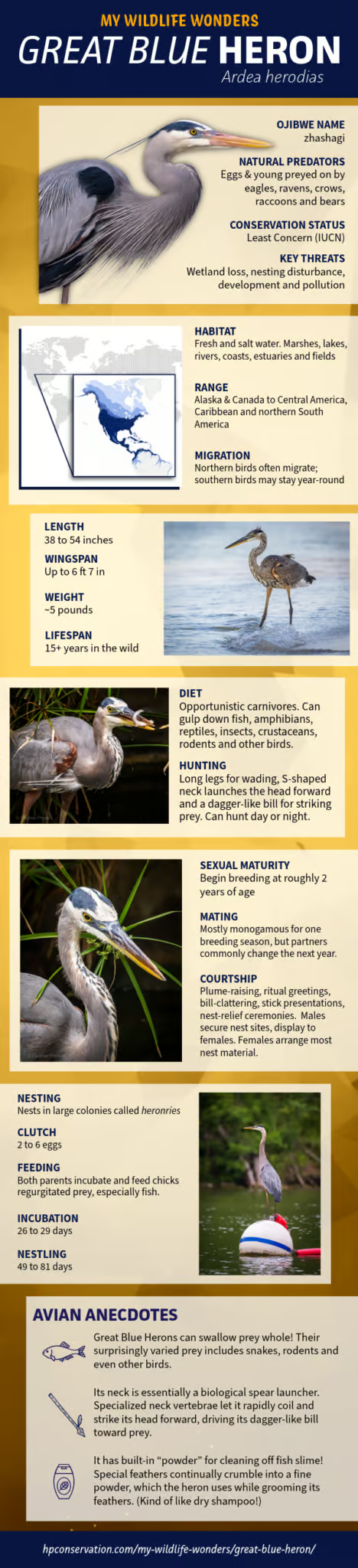
Great Blue Heron Wildlife Snapshot Infographic
This infographic offers a quick look at the Great Blue Heron’s defining traits, conservation status, and vital role as a top wetland predator across the Americas.
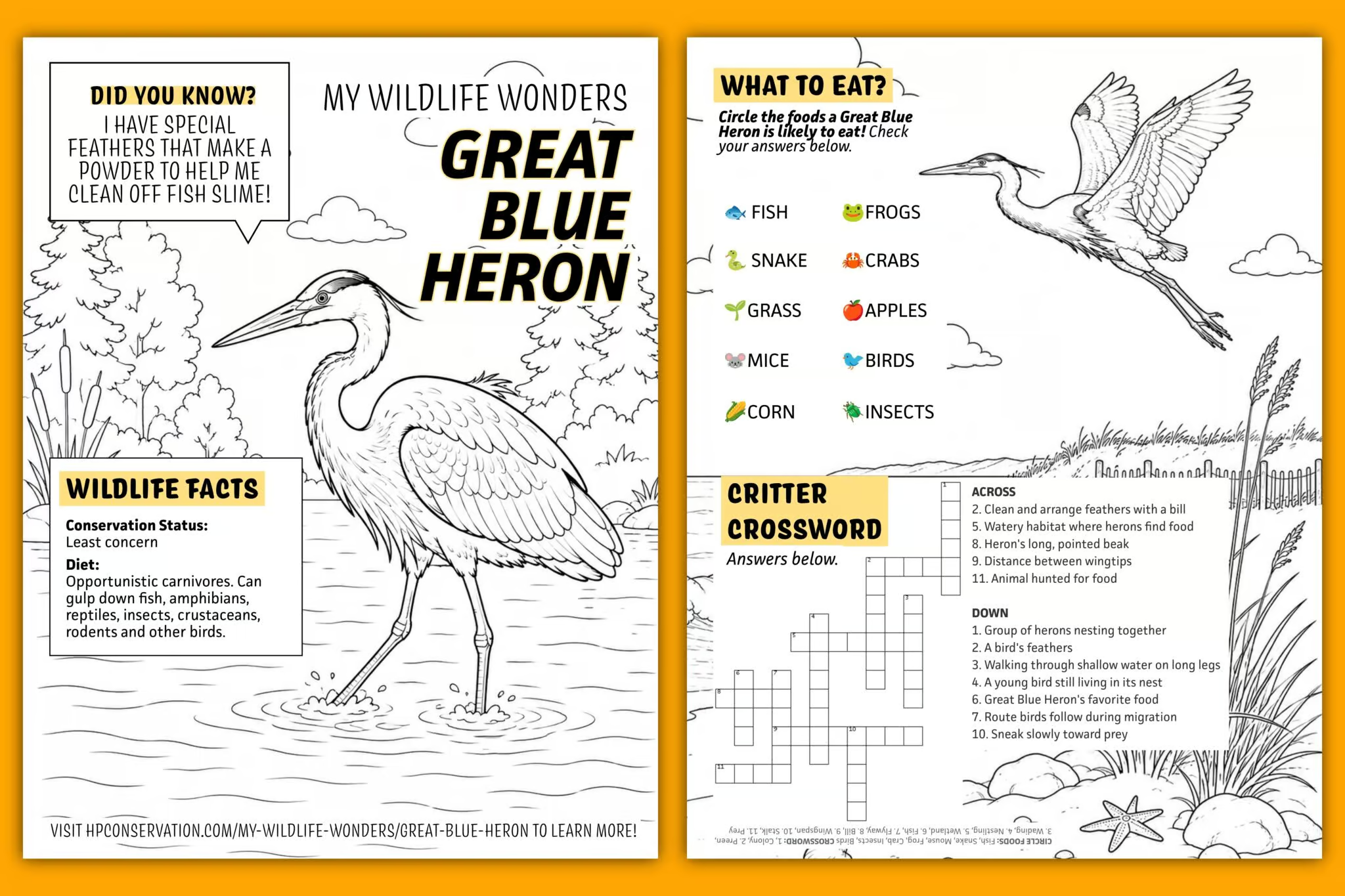
Great Blue Heron Coloring Sheet & Activities for Kids
Download and print this free Great Blue Heron worksheet and coloring page to help kids learn about this remarkable wading bird’s habitat, diet, life cycle, adaptations, and conservation through hands-on activities that build science knowledge, vocabulary, and curiosity. Perfect for classrooms, homeschool, libraries, and nature-loving families, these printable activities turn learning about North America’s largest heron into an engaging, screen-free experience.
Sources (Alphabetical)
- Audubon Field Guide – Great Blue Heron
- BirdLife International DataZone – Great Blue Heron
- Cornell Lab: All About Birds – Great Blue Heron
- eBird – Great Blue Heron
- eBird Status and Trends – Great Blue Heron
- HeronConservation / IUCN-SSC Heron Specialist Group – Great Blue Heron
- IUCN Red List – Great Blue Heron
- Missouri Department of Conservation – Great Blue Heron
- NatureServe Explorer – Great Blue Heron
- U.S. Fish & Wildlife Service – Great Blue Heron


